Road Joint Sealant: CSL 316 SL on Texas Highways
Texas needed a road joint sealant that would outlast the ones failing on its busy highways. In 2021, a supplier to the Texas Department of Transportation ordered three truckloads of CSL 316 SL: 124,800 cartridges of self levelling silicone for highway joints under high UV and big temperature swings.
| End user | Texas Department of Transportation (TxDOT) |
|---|---|
| Customer | A private label supplier to TxDOT |
| Location | Highways in Texas, USA |
| Problem | Previous sealants lost adhesion and cracked early, letting dust and grit into the joints |
| Product | CSL 316 SL self levelling silicone joint sealant |
| Order | Three truckloads: 124,800 cartridges of 300 ml, about 37,400 litres |
| Installed | 2021 |
| Exposure | High UV and big temperature swings |
Joints that kept failing
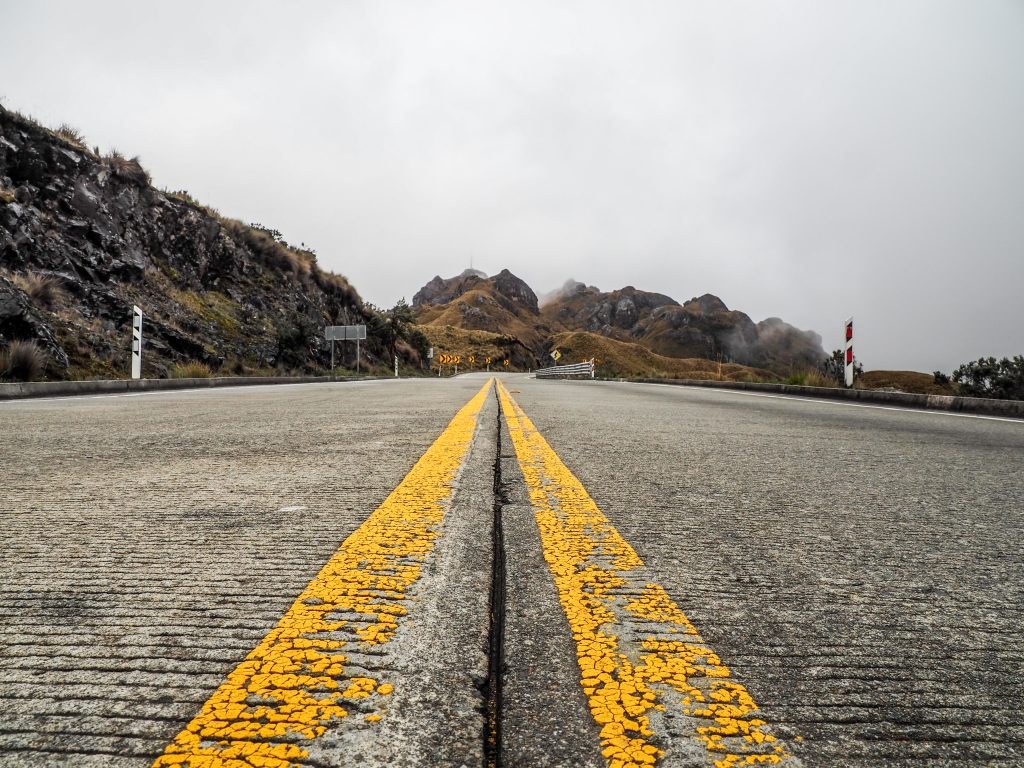
Busy highways in Texas take heavy traffic, hard sun and big swings between hot days and cool nights. As a result, the concrete slabs open and close every day. A joint sealant there has to stretch and squeeze with that movement for years.
However, the sealants in use weren’t lasting. According to CSL’s case history, they had life span problems: they lost adhesion to the joint faces and cracked. Once that happens, dust and grit get into the joint. Then the joint can’t close properly, and the slab edges start to spall.
What TxDOT asked for in a road joint sealant
So TxDOT went to a private label supplier for a better joint filler. The brief was clear. First, it had to be elastic, so it could be squeezed and then return to its original size once the load came off. Second, it had to keep water and grit out without affecting the road surface. Finally, it couldn’t break down with changes in moisture and temperature.
That brief describes a silicone. So the supplier chose CSL 316 SL and sold it under its own label. In other words, the sealant in those Texas joints is CSL 316 SL in someone else’s cartridge.
Why silicone suits highway joints
Most road joint sealants are polyurethane or bitumen based. Both age in UV, and polyurethane in particular hardens and loses its stretch in strong sun. By contrast, silicone resists UV and stays flexible from cold nights to hot afternoons.
CSL 316 SL meets ASTM D5893 Type SL, with a movement capability of +100% / -50%. It also repels water. For that reason, CSL credits those two properties, UV resistance and water repellence, for the extended performance it has seen on these highways.
A road joint sealant order at scale
In total, the order came to three truckloads, or 124,800 cartridges of 300 ml. That works out to about 37,400 litres of sealant. To put it simply, this is not a trial patch. It is a road authority’s supplier committing to one product across a network.
What CSL’s record covers, and what it doesn’t
CSL’s case history gives the end user, the problem, the brief, the order size, the year and the exposure. It doesn’t give joint sizes, the length of road sealed or a later inspection. So we quote CSL’s facts and add nothing to them, as with all our case studies.
Road joint sealant for South African roads
South African roads face the same conditions as Texas: fierce sun, hot days, cold nights and heavy trucks. In addition, CSL 316 SL meets the COTO specification used on SANRAL projects. SANRAL doesn’t approve products, but it can disallow any that fall outside that spec. On top of that, the sealant carries a 10 year warranty.
In our experience, nobody sandblasts these joints. Instead, crews high pressure clean the joint, blow it out with oil free compressed air in one direction, and let it dry fully before sealing. Our articles on why polyurethane joint sealants keep failing and the hidden cost of joint failure go into more detail.
Road joint sealant FAQ
What is the best road joint sealant for hot climates?
A silicone, because it resists UV and stays flexible through daily temperature swings. CSL 316 SL meets ASTM D5893 Type SL and moves +100% / -50%. That is why a TxDOT supplier chose it for Texas highways.
Can CSL 316 SL go in vertical joints?
No. It is self levelling, so it is made for horizontal joints in roads, bridge decks, aprons and slabs. For vertical joints, use a non sag sealant instead.
How do you prepare a road joint for sealing?
High pressure clean the joint, then blow it out with oil free compressed air in one direction. Next, let it dry fully before sealing. Above all, the joint faces must be sound, clean and dry.
Where can I get CSL 316 SL in Southern Africa?
Technical Solution Supplies distributes CSL Silicones products across Southern Africa, including the DRC and the Seychelles. For data sheets and pricing, request a quote with your joint sizes and lengths.
More joint sealant articles
- First, the CSL 316 SL product page and the 316 SL FAQ.
- Next, self levelling silicone joint sealant for airport aprons.
- Also, silicone joint sealant for harbours.
- Finally, all our case studies in one place.
Proud exclusive distributor of CSL Silicones in Southern Africa.
Send us the problem
Photos and a rough size are enough to start, while drawings and specs can follow later. Then we come back with the right product and a quote.