CORROSION MAINTENANCE

Si-COAT 579CM Silicone Corrosion Coating for Southern Africa
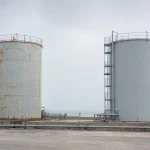
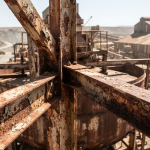
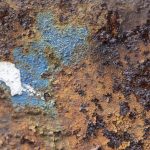
Si-COAT 579CM is a single component, moisture cure RTV silicone corrosion coating made by CSL Silicones. It protects weathered and rusted structural steel, tank exteriors, bridges, machinery, cladding and metal roofs above ground. CSL designed it for retrofit work on structures that stay in service. There is also a clear version, Si-COAT 581CM, for when you need to see the surface underneath. Technical Solution Supplies distributes CSL Silicones products across Southern Africa, including the DRC and the Seychelles.
It goes on as one coat over steel cleaned by hand tools, power tools or water jetting. As a result, you do not need abrasive blasting. For the most severe coastal and industrial sites, however, CSL pairs it with CSL 979 primer. That system passed ISO 12944-6:2018 testing for C5 High, as we explain further down.
Why a Silicone Corrosion Coating Without Blasting Matters
Most heavy duty coating systems expect abrasive blasting before the first coat. In a fabrication shop, that is routine. However, on a working plant, a live road structure or a tank in service, it often is not. Blasting needs containment, access and shutdowns. As a result, owners put the maintenance off until the rust is obvious.
Si-COAT 579CM suits that reality. A normal crew with wire brushes, grinders, needle guns or a water jetting unit can reach the surface standard it needs. In addition, they can do it inside a normal maintenance window. That turns deferred corrosion work into work that actually gets done. Our article on surface tolerant coating covers this in more detail.
Proven in the Florida Fence Test
Florida Power and Light ran a three year Florida Fence Test at Melbourne Beach, on the Atlantic coast. The test put 29 coating systems through sun, salt spray and weather. First, the lab rusted the steel panels. Then it cleaned them with hand tools only, to SSPC SP2. Si-COAT 579 was the only one coat system in the test. It went straight onto that rusted steel with no primer. Before exposure, the lab scribed every panel through to bare metal.
After 36 months, Si-COAT 579 showed no rust creep, bleed through, pinholes or loss of adhesion. By contrast, the three coat zinc, epoxy and polyurethane systems failed. They sat on steel blasted to white metal, yet showed heavy rust creep and adhesion failure. Because of that result, the utility coated its 85 metre fuel oil tank at West Palm Beach in 2002.
Field service backs this up. For example, in 2003 CSL coated about 24 km of process piping at a Florida power plant near the Atlantic coast. When CSL inspected it some 20 years later, the coating thickness measured the same as when it went on. Closer to home, our case studies cover a Free State fertiliser plant, a Johannesburg chlorine plant and a Durban harbour hopper. They also include a crude oil tank in Athens.
Key Properties of the Silicone Corrosion Coating
One coat. Si-COAT 579CM primes itself on most common substrates. So standard maintenance work needs no primer, intermediate coat or topcoat. Still, CSL recommends a quick field adhesion test first.
Stops rust creep. Besides the Florida Fence result, it also passed 3,000 hours of ASTM B117 salt fog.
UV stable. After 5,000 hours of accelerated weathering to ASTM G154, it showed no degradation. Its colour also changed by less than 1 delta E. That matters under Southern African sun, because organic topcoats chalk and fade.
Flexible. With 180% elongation at break, the film moves with the steel through heat cycles and vibration. As a result, it does not crack.
Bridges old coatings. CSL also tested it over an aged coating system. The old coating cracked in bend and impact tests. However, the Si-COAT layer on top bridged the cracks without damage. That suits maintenance work, where sound old paint stays on.
Tough and washable. It passes direct impact and mandrel bend tests. In addition, it handles high pressure water washing up to 150 bar, so it suits plants with routine washdowns.
Chemical exposure. CSL rates it for excellent tolerance to airborne chemicals. In acid plants, it handles acid vapour and occasional splash, as our sulphuric acid and fertiliser plant case studies show. However, CSL did not design it for pooling or immersion. So where severe splashing or pooling is likely, ask CSL to confirm suitability first.
Unlimited recoat window. You can overcoat it with more Si-COAT 579CM at any time. First, though, clean the old surface of dust, grease and salt.
Si-COAT 581CM Clear: See What Is Happening Underneath
Si-COAT 581CM is the clear version. It dries to a clear, semi gloss film, so you can still see the surface underneath. For corrosion maintenance, that is a real advantage. Inspectors can spot fresh rust, a cracked weld or oil weeping from a flange or gasket without cutting the coating open. It also keeps original colours, markings and safety labels visible on machinery and equipment.
Preparation and application follow the same rules as 579CM. First, clean to SSPC SP2, SP3 or SP12 WJ-4, then spot prime edges, welds, bolts and pits. After that, apply a top coat of 0.2 to 0.5 mm once dry (8 to 20 mil). At 25°C it is tack free in 60 minutes and reaches full properties in 7 days. CSL lists it for structural steel, bridges, machinery, tank exteriors, metal roofs and cladding. However, the test results on this page come from 579CM, so ask us before relying on them for 581CM.
Surface Preparation
First, remove all dirt, grease, oil, loose rust and loose mill scale. Also remove any paint that is peeling, flaking, cracking or blistering. Any old coating you keep must pass the ASTM D3359 tape test at 4A or 4B. Then feather back any lifted edges.
The TDS gives three preparation standards. These are SSPC SP2 hand tool cleaning, SSPC SP3 power tool cleaning, or SSPC SP12 water jetting to at least WJ-4. For water jetting, it also limits soluble salts, including chlorides below 7 ppm (10 µg/cm²). That matters on coastal sites.
Concrete plinths and bases. On site, we have carried Si-COAT 579CM from concrete plinths straight onto the steel in one continuous coat. That way, there is no joint at the base where water can get in. Reliant Energy in Texas did the same on its transmission tower bases. First, though, remove laitance, release agents and any wax or resin based curing compound, because the coating will not bond to them. Then do an adhesion test on the concrete before you start.
Applying the Coating
- Mixing: it is one part, so there is nothing to combine. Still, stir it with a powered agitator for at least 5 minutes.
- Spot priming: first, brush a stripe coat onto edges, welds, bolts, corners and pitted areas. Aim for about 0.13 mm dry (5 mil, 127 microns).
- Full coat: then apply about 0.2 to 0.5 mm once dry (8 to 20 mil, 203 to 508 microns), to suit the steel. That works out to roughly a third to three quarters of a litre per square metre, before losses.
- Method: CSL recommends airless spray. Brush or roller also suit smaller areas, as long as they reach at least 0.2 mm dry.
- Conditions: keep the surface between 5°C and 60°C and at least 3°C above the dew point.
- Cure at 25°C and 50% humidity: it skins over in 25 minutes and is tack free in 60 minutes. After that, it dries in 4 to 6 hours and reaches full properties in 7 days.
- Colours: grey and off white as standard, and clear as Si-COAT 581CM.
The Si-COAT CM System for C5 Environments
For the harshest coastal, marine and heavy industrial sites, CSL pairs Si-COAT 579CM with CSL 979 primer. CSL 979 is a two pack epoxy zinc phosphate primer. Together, the system builds about 0.3 mm: roughly 150 microns of primer and 150 microns of Si-COAT 579CM.
An independent laboratory tested the system as a whole. It passed ISO 12944-6:2018 cyclic corrosion testing for C5 High, over 1,680 hours and 10 cycles. It also passed 2,500 hours of ASTM B117 salt spray. However, these results cover the system with CSL 979 only. Si-COAT 579CM on its own does not carry a C5 rating.
The primer is also less forgiving than the topcoat. CSL recommends abrasive blasting to SSPC SP6 or Sa 2 under it. On some maintenance work, power tool cleaning may do instead. In addition, the primer needs air temperatures of 25°C to 40°C and relative humidity below 75%. On the KwaZulu-Natal coast, that narrows the working window, so plan the primer days carefully.
Where Si-COAT 579CM Is Used
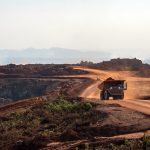
Mining and mineral processing. Mine steel, conveyors and tanks face dust, moisture and process fumes. On top of that, they rarely come out of service for blasting. For example, at the Escondida copper mine in Chile, it replaced failed epoxy in desert, high altitude conditions. See our article on mining corrosion protection.
Chemical and fertiliser plants. Structures exposed to acid vapour and occasional splash. This is where the 579 track record in our case studies is strongest.
Tanks and terminals. Tank exteriors, pipe racks and supports at fuel and bulk terminals, as our article on silicone coating for petroleum tanks explains.
Bridges and structures. Bridge steel and structural frames that cannot close for blasting. Read more on bridge corrosion protection.
Power and electrical. Transformer casings, substation steel and pylons. For instance, in Chile it protects transformer casings alongside our high voltage insulator coating.
Coastal and harbour steel. Steel in salt air along the KwaZulu-Natal and Western Cape coasts. On the worst exposures, however, the CM System is the better choice. Our guide to anti-corrosion coating for South Africa’s climate covers each region.
Silicone Corrosion Coating vs Conventional Systems
Conventional systems usually need abrasive blasting first. Then come a zinc rich primer, an epoxy intermediate coat and a polyurethane topcoat, each with its own overcoat window. Over time, the organic topcoat chalks and fades under strong UV.
Si-COAT 579CM, by contrast, goes onto hand tool, power tool or water jet cleaned steel in one coat. It also has an unlimited recoat window. And where a site needs C5 performance, the CM System with CSL 979 covers it. For a wider view, see our page on industrial coatings in South Africa or the Si-COAT 579CM FAQ.
For full technical data, download the data sheets below or contact us directly.
Silicone Corrosion Coating Technical Documents
Want to get in contact? Click Here
Phone: 031 002 7376 Email: sales@tssupplies.co.za
Proud exclusive distributor of CSL Silicones in Southern Africa.
Related Corrosion Maintenance Articles
- Corrosion Coating Cost: How to Compare Quotes on Total Cost of Ownership
 The cheapest corrosion coating quote is rarely the cheapest way to protect steel. To compare quotes properly, add up surface preparation, access, number of coats, downtime and how many times you will repaint over the life of the asset, then divide by the years of protection you get. A single coat, surface tolerant system that lasts more than 20 years can cost more per litre and still work out far cheaper per year. This article is written for the person who has to choose between two or three coating quotes: the procurement officer, the maintenance planner, or the engineer who… Read more: Corrosion Coating Cost: How to Compare Quotes on Total Cost of Ownership
 - Corrosion Protection in South Africa: Comparing the Methods That Actually WorkCorrosion protection covers several distinct approaches, and South African asset owners rarely get a straight comparison between them. Galvanising, cathodic protection and protective coatings all claim to extend the life of exposed steel. However, each method solves a different problem. The right choice depends on the asset, the environment and the maintenance budget. This article breaks down the main methods used across South African industry, explains where each one fits, and looks at how coating technology has changed in the last decade. What Corrosion Protection Actually Means for South African Industry Corrosion is an electrochemical process. Steel reacts with oxygen… Read more: Corrosion Protection in South Africa: Comparing the Methods That Actually Work
- Corrosion Protection Coating South Africa: Everything You Need to KnowChoosing a corrosion protection coating is one of the biggest decisions an asset manager, engineer or maintenance contractor makes. Corrosion costs South Africa dearly. The Corrosion Institute of Southern Africa puts the direct cost at about 4% of GDP, with indirect costs at least three times higher. Steel structures, pipelines, tanks, bridges and plant all deteriorate when left unprotected, and salt spray, chemical exposure, strong UV and wide temperature swings speed that up. Get the coating right, and critical assets stay protected for many years. Get it wrong, and the cycle of early failure, recoating and unplanned downtime starts. This… Read more: Corrosion Protection Coating South Africa: Everything You Need to Know
- Corrosion Resistant Coating for Mining: Protecting Copper Operations Across Southern AfricaCopper mining puts a corrosion resistant coating for mining to one of its toughest tests. Acid process chemistry, humid underground workings, abrasive ore handling and strong sun all attack steel at once. A coating made for general industry rarely lasts long here. When it fails, the cost shows up as unplanned downtime, early equipment replacement and maintenance budgets that never shrink. Southern Africa matters to world copper supply. The DRC is Africa’s largest producer, and Zambia is second. In fact, Zambia relies on copper for more than 70% of its export earnings. In South Africa, Palabora in Limpopo is the… Read more: Corrosion Resistant Coating for Mining: Protecting Copper Operations Across Southern Africa
- Mining Corrosion Protection in South Africa: Why SI-COAT 579 CM Outperforms Traditional CoatingsGood mining corrosion protection keeps plant running. Without it, corroded steel structures, equipment housings and process pipelines cost mines across Southern Africa in downtime, replacement parts and emergency repairs. Yet many sites still rely on multi coat epoxy systems that need blasting, several coats and long shutdowns. It does not have to be that disruptive. Technical Solution Supplies supplies Si-COAT 579CM, a one coat silicone from CSL Silicones, to mining and industrial sites. This article looks at why it suits mine maintenance, and what the evidence behind it says. The Real Cost of Corrosion in Mining Environments Mines are hard… Read more: Mining Corrosion Protection in South Africa: Why SI-COAT 579 CM Outperforms Traditional Coatings
- Anti-Corrosion Coating for Structural Steel: Why Silicone Outperforms EpoxyCorrosion costs South Africa dearly. The Corrosion Institute of Southern Africa puts the direct cost at about 4% of GDP, with indirect costs at least three times higher. Yet many asset owners still specify the same anti corrosion coating for structural steel they used decades ago. Often the problem is not the steel, but the coating. If a coating cracks with thermal movement, breaks down in UV or needs blasting before every recoat, you pay for a maintenance cycle you could avoid. This article explains why silicone changes that, and why it suits African conditions so well. Why Structural Steel… Read more: Anti-Corrosion Coating for Structural Steel: Why Silicone Outperforms Epoxy
- Bridge Corrosion Protection: Why South Africa’s Infrastructure Is Failing Between InspectionsIn November 2024, the Ezimbokodweni River Bridge on the N2 south of Durban partially collapsed. It happened just nine months after the bridge scored 98% in its February assessment. For anyone responsible for bridge corrosion protection and maintenance, that gap is the real story. Ageing structures can fail between inspections, and the cause is often hidden until it is too late. SANRAL’s preliminary findings traced the failure to span four. Its bearings malfunctioned, particularly the concrete rocker bearing on the east side and the central bearings. SANRAL said vibration, along with possible age related deterioration, likely caused spalling and cracking… Read more: Bridge Corrosion Protection: Why South Africa’s Infrastructure Is Failing Between Inspections
- Corrosion Maintenance Coating: Why Sa2.5 Is a Specification Standard, Not a Maintenance RealityEvery coating specification says Sa 2½. Every maintenance team working on steel in service knows it is getting St2 or St3. That gap is where most corrosion maintenance programmes fail, and the answer is a surface tolerant coating built for the steel crews can actually prepare. The failures are rarely down to poor workmanship. More often, someone selected a coating for conditions that do not exist in the field. The Sa 2½ Problem in Corrosion Maintenance Sa 2½ is the benchmark surface preparation for high-performance coatings. It means abrasive blast cleaning to near-white metal under ISO 8501-1. The result is… Read more: Corrosion Maintenance Coating: Why Sa2.5 Is a Specification Standard, Not a Maintenance Reality
- Protecting Petroleum Storage Tanks from Corrosion: Why Silicone Coatings Outperform Traditional SystemsChoosing a silicone coating for petroleum tanks in Southern Africa comes down to one question: how do you protect tank shells, roofs and pipework that cannot come out of service? Coastal tank farms in Durban, Richards Bay and Cape Town sit in salt air, humidity and strong sun. Inland depots face UV and big temperature swings. On top of that, fuel and oil drips land on the steel during normal operations. This article looks at how Si-COAT 579CM from CSL Silicones protects the outside of petroleum tanks and terminal pipework, what the evidence says, and where it should not be… Read more: Protecting Petroleum Storage Tanks from Corrosion: Why Silicone Coatings Outperform Traditional Systems
- Silicone Coatings Corrosion Protection – The Smart Choice for NamibiaSilicone Coatings Corrosion Protection for Namibia Silicone coatings corrosion protection suits Namibia better than most places. Mines, processing plants, ports and power lines all face a mix of wind blown sand, intense UV, coastal fog and process chemicals. Traditional epoxy systems have long been the default. However, they need blasting, several coats and long shutdowns, and they crack as steel heats and cools. This article looks at what Namibian conditions do to steel, and how Si-COAT 579CM from CSL Silicones handles them. Why Namibia Is Hard on Steel Namibia packs several corrosion threats into one country. On the coast at… Read more: Silicone Coatings Corrosion Protection – The Smart Choice for Namibia
- Corrosion Protection in Copperbelt Mining: Why Sulphuric Acid Resistance MattersCorrosion Protection for Copper Mining: Why Acid Exposure Matters Corrosion protection for copper mining is one of the hardest coating jobs in Southern Africa. On the Copperbelt of Zambia and the DRC, many plants leach oxide ore with sulphuric acid to recover copper and cobalt. That acid does not stay in the process. Mist, vapour and splash reach the tanks, pipe racks, structural steel and conveyor frames around it. Si-COAT 579CM is a silicone corrosion maintenance coating made by CSL Silicones. It goes onto steel cleaned by hand tools, power tools or water jetting, with no abrasive blasting. As a… Read more: Corrosion Protection in Copperbelt Mining: Why Sulphuric Acid Resistance Matters
- SI-COAT 579 CM: The Ultimate Anti-Corrosion Coating for South Africa’s Harsh ConditionsChoosing an anti-corrosion coating in South Africa means planning for very different conditions in one country. Salt air eats steel in Durban and Cape Town. The Karoo sun bakes coatings. Highveld storms soak and dry structures through summer, and mines add dust and acid mist on top. This article looks at each of those conditions, and how Si-COAT 579CM from CSL Silicones handles them, based on test results and documented projects. Why South Africa Is Hard on Steel The coast. Durban, Richards Bay, Gqeberha and Cape Town all sit in salt laden air. In KwaZulu-Natal, high humidity keeps that salt… Read more: SI-COAT 579 CM: The Ultimate Anti-Corrosion Coating for South Africa’s Harsh Conditions