These are the questions we are asked most about the SI-COAT 461 roof coating, answered straight. For the full product page and data sheet, see SI-COAT 461 RC silicone roof coating.
What is the SI-COAT 461 roof coating and what is it used for?
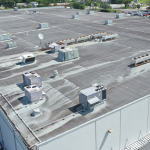
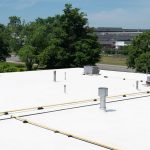
SI-COAT 461 RC is a 100% silicone, high solids roof coating made by CSL Silicones. It waterproofs flat and low slope industrial, commercial and agricultural roofs with a seamless, flexible membrane that withstands permanent ponding water and strong UV. It goes onto concrete decks, metal sheeting, spray polyurethane foam and many existing coated roofs, usually without primer.
The white SI-COAT 461 roof coating also reflects most of the sun’s heat, which lowers cooling costs. CSL reports 461 roofs in service in North America for more than 20 years, far longer than typical acrylic and polyurethane coatings last before recoating.
What is the difference between silicone, acrylic and polyurethane roof coatings?
The chemistry explains why they perform so differently on flat roofs.
Acrylic coatings are water based and cure as the water evaporates. They work well on pitched roofs that shed water. On flat roofs where water ponds, however, acrylic slowly takes up water, softens, loses adhesion and blisters. UV then breaks the resin down further, so on flat industrial roofs in South Africa acrylic needs replacing far sooner than silicone.
Polyurethane coatings resist UV better than acrylic at first and form a harder film. Even so, they yellow and lose flexibility in sustained sun, usually need several coats, and are moisture sensitive during application.
Silicone coatings are built on a silicon oxygen backbone instead of carbon based chemistry. As a result, cured silicone does not take up water, does not break down in UV the way organic resins do, and stays flexible across the full temperature range of a roof. Read our full comparison of acrylic vs polyurethane vs silicone roof coatings.
Why is silicone the best choice for flat roofs with ponding water?
Ponding water is the defining condition on industrial flat roofs. Over time, concrete decks on warehouses and shopping centres develop low spots, and water collects there after every storm, sometimes for days.
Acrylic and polyurethane are vulnerable to that standing water. Cured silicone, by contrast, has no affinity for water. According to the TDS, the SI-COAT 461 roof coating withstands permanent ponding water without affecting its cured properties. That is the single biggest advantage of silicone on flat roofs. Read more on ponding water on flat roofs.
Can the 461 roof coating be applied to metal roofs?
Yes. SI-COAT 461 goes onto IBR, Chromadek, corrugated steel and other metal profiles, usually without primer. CSL does recommend an adhesion test patch on every metal roof first. Metal roofs are one of the most common uses of the SI-COAT 461 roof coating on South African warehouses, factories and farm buildings.
Uninsulated metal sheeting swings from below freezing on winter nights to above 70°C on summer afternoons, which puts constant stress on any coating. SI-COAT 461 stays flexible from −60°C to 200°C, so it moves with the metal without cracking. In addition, its reflectivity cuts the peak surface temperature of the sheeting, which lowers both thermal stress and cooling costs.
Can SI-COAT 461 go over existing bitumen or torch on membrane?
Yes, but only with a primer first. Applying directly to bitumen is not recommended and can lead to adhesion failure. Contact Technical Solution Supplies for the right primer for your bitumen substrate before you start.
Can SI-COAT 461 go over EPDM, TPO or PVC single ply membranes?
Often, yes. Overcoating an ageing single ply membrane can restore waterproofing and UV protection without a full replacement. However, adhesion to single ply varies a lot, so always do an adhesion test patch first, and use a CSL primer where the test calls for one. Contact us to confirm preparation for your membrane.
Can SI-COAT 461 go over polyurethane spray foam?
Yes. Spray foam is a standard substrate for silicone, and ASTM D6694, which 461 meets, is written for exactly that system. Uncoated foam breaks down quickly in UV, so the coating protects the foam and keeps the whole system waterproof.
Does the 461 roof coating need a primer?
On most clean, dry concrete and metal, the SI-COAT 461 roof coating needs no primer. CSL still recommends a quick field adhesion test, especially on smooth, metal and previously coated roofs. On bitumen, a primer is always required. On very porous concrete, a primer may also help. Contact Technical Solution Supplies for substrate specific advice.
How long does the SI-COAT 461 roof coating last?
CSL reports 461 roofs in service in North America for more than 20 years. By comparison, acrylic and polyurethane coatings need recoating far sooner in South African conditions. So over 20 years, the silicone system costs far less once recoating, labour and downtime are counted.
How does SI-COAT 461 reduce energy costs?
The white coating reflects most of the sun’s energy instead of absorbing it as heat. The Cool Roof Rating Council lists an initial solar reflectance of 0.856, a thermal emittance of 0.89 and an SRI of 107.9 for Product ID 1368-0002. As a result, less heat reaches the building below.
In a CSL case study, the building ran 7 to 9°C cooler inside after coating. The effect is largest under uninsulated metal roofs, where the roof is the main source of heat gain. On warehouses, factories and shopping centres, that directly cuts air conditioning load. Read more on heat reflective roof paint.
Is SI-COAT 461 UV stable?
Yes. The silicon oxygen backbone does not break down under UV the way carbon based polymers do. CSL describes 461 as having excellent durability, colour stability and chalk resistance. That matters in South Africa, where UV levels are among the highest in the world and acrylic and polyurethane age far faster than temperate climate data sheets suggest.
Does SI-COAT 461 stay flexible in extreme temperatures?
Yes. The cured coating keeps its properties from −60°C to 200°C, with 282% elongation at 23°C and 330% at −18°C. That covers everything South African roofs see, from winter frost in Gauteng and the Northern Cape to extreme summer heat. Acrylic, on the other hand, goes brittle in the cold and soft in the heat, which speeds up cracking.
What surface preparation does the 461 roof coating need?
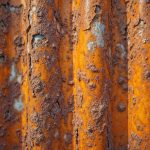
Before the SI-COAT 461 roof coating goes on, the roof must be clean, dry and sound. Remove all loose material, dirt, grease, oil, moss, algae and poorly bonded old coating. Then power wash with a suitable detergent and rinse. On concrete, remove laitance and repair unsound areas. On metal, remove loose rust and loose coating by wire brushing or power tool cleaning. Finally, the surface must be at least 3°C above the dew point during application.
Can SI-COAT 461 go over an existing failed roof coating?
In many cases, yes. Where the old coating is still well bonded, clean and sound, SI-COAT 461 can go over it. Remove any areas that are blistering, lifting or loose first, and do an adhesion test patch, as CSL recommends on all existing coated roofs. Bitumen always needs a primer. Contact us for advice on your specific roof.
How is the 461 roof coating applied?
The SI-COAT 461 roof coating goes on by airless spray, squeegee, brush or roller, with airless spray recommended for the best finish. It is one part, so there is no mixing of components, only a 5 minute stir with a power agitator. The minimum is half a millimetre once dry (20 mil, 508 microns), roughly half a litre per square metre before losses, applied as a single coat. Where brush or roller cannot reach full thickness in one pass, build it up wet on wet in the same session.
Coverage is 2.1 m² per litre at 18 mil and 1.7 m² per litre at 22 mil, before losses. It skins over in about 68 minutes, can be recoated in 4 to 6 hours, and reaches full properties in 7 days. For step by step guidance, read our SI-COAT 461 RC application guide.
What temperature and humidity does application need?
Apply between 5°C and 60°C. Because it is moisture cure, normal humidity helps it cure, unlike systems that need dry air. However, the surface itself must be dry and free of standing water, frost and condensation, and at least 3°C above the dew point. Do not apply in rain or onto a wet roof.
What is the difference between a roof coating and a roof membrane?
A roof membrane is a factory made sheet, such as EPDM, TPO or PVC, fixed or bonded to the roof. Its laps and seams must be joined, and those seams are usually where leaks start as it ages.
A liquid applied roof coating such as SI-COAT 461 forms a seamless membrane, with no laps in the field. It flows around penetrations, HVAC units and up parapets in one continuous layer. As a result, it removes the most common leak paths of a seamed sheet.
What causes flat roof coatings to fail early?
The usual causes on South African industrial roofs are ponding water on acrylic systems, UV breakdown of organic resins, thermal cycling that cracks stiff films, poor surface preparation, and coatings that do not suit the substrate.
Silicone handles the first three by its chemistry. That leaves preparation and substrate compatibility, which is why every SI-COAT 461 roof coating job should start with proper cleaning and an adhesion test. Technical Solution Supplies provides that guidance on every project.
How does the cost compare with replacing the roof?
Coating an existing roof costs far less than replacing it. Replacement means stripping and disposing of the old roof, new materials, installation, and often structural repairs as well, with all the downtime and waste that brings.
SI-COAT 461 restores the waterproofing of the existing roof without removing it, so there is no demolition waste and no structural work. Because it lasts far longer than an acrylic recoat, it also pushes the next major roof decision many years further out. For most owners, it pays back against repeated acrylic recoating.
Is the 461 roof coating suitable for coastal buildings?
Yes. The SI-COAT 461 roof coating resists salt air, humidity and the marine environment, and silicone does not hydrolyse in damp conditions. Coastal buildings in KwaZulu Natal, the Western Cape and coastal Namibia face humidity, strong UV and salt together, which ages organic coatings fast. Silicone is not broken down by salt, so it suits these roofs well.
Does SI-COAT 461 attract dirt, and does it matter?
Silicone surfaces can pick up airborne dust over time, which slowly darkens the white and lowers reflectivity. The waterproofing and UV resistance are not affected. Even after the CRRC’s laboratory soiling and weathering test, the coating still showed a solar reflectance of 0.723 and an SRI of 88.9. In dusty areas such as the Highveld, an annual rinse during the roof inspection restores most of the reflectivity.
Is a silicone coated roof slippery?
Yes, very, especially when wet. CSL’s own data sheet carries a slip warning. Anyone working on or walking across a coated roof should use fall protection and take great care, and maintenance walkways are worth considering on roofs with regular foot traffic.
Can I harvest rainwater from a SI-COAT 461 roof?
The white SI-COAT 461 is certified to NSF Protocol P151 for rainwater catchment system components. Other colours are not. The coating is not meant for direct contact with drinking water, so treat harvested water as you would from any roof, and check local requirements.
What are the environmental benefits?
The reflective white cuts cooling energy, which lowers the building’s operating carbon footprint. The long service life means far less material than repeated acrylic recoats. Coating over the existing roof avoids demolition waste. In addition, the coating is 94% solids by volume, so very little solvent is released during application.
Where is SI-COAT 461 available?
SI-COAT 461 is made by CSL Silicones. Technical Solution Supplies distributes CSL Silicones products across Southern Africa, including the DRC and the Seychelles.
We cover warehouse and logistics roofs on the Gauteng corridors, coastal shopping centres in KwaZulu Natal and the Western Cape, and mining infrastructure across the region. See also our articles on roof coating for mining, data centre roofs and the complete guide to roof waterproofing. We provide specifications, application guidance, samples and on site technical support.
Who should I contact for a specification or quote?
Contact Technical Solution Supplies for project specific technical guidance, specifications and pricing.
Phone: 031 002 7376 Email: sales@tssupplies.co.za
Technical Articles:
- Data Centre Roof Coating: Reducing Cooling Costs and Protecting Uptime in South Africa
 Data centres run cooling systems around the clock, and every bit of heat that comes in through the roof adds to that load. A data centre roof coating tackles this at the source by reflecting sunlight before the heat reaches the building. For facility managers in South Africa, it is therefore not a cosmetic upgrade. Instead, it is a practical lever on energy use, uptime and long term protection of the roof. In this article we look at SI-COAT 461 RC from CSL Silicones and what its technical data supports. Why a Data Centre Roof Coating Lowers Cooling Costs Data… Read more: Data Centre Roof Coating: Reducing Cooling Costs and Protecting Uptime in South Africa
 - Roof Coating South Africa: Everything You Need to Know About SI-COAT 461 RCChoosing a roof coating in South Africa is harder than it looks, because our roofs take a relentless beating. Intense UV, extreme heat, summer storms and daily expansion and contraction attack the roof surface all year. Many roof coatings crack, peel and fail within a few years. Then the leaks start, and the real costs begin. A roof coating here needs to do more than paint a surface. It must flex with the substrate, reflect solar heat, resist UV, and hold its seal through years of thermal cycling. Most products on the market do not meet all four of these… Read more: Roof Coating South Africa: Everything You Need to Know About SI-COAT 461 RC
- Industrial Roof Coating for Mining: How SI-COAT 461 RC Protects Africa’s Mining InfrastructureMine buildings are not ordinary structures. Processing plants, ore stores, conveyor covers, workshops and accommodation on mine sites all face heat, aggressive dust, chemical fumes and vibration together. An industrial roof coating for mining therefore has to cope with conditions most roofing products were never made for. In this article we look at where SI-COAT 461 RC from CSL Silicones fits on a mine, where it does not, and what its technical data supports. On a mine, a roof failure costs more than the repair, which is why the choice of industrial roof coating for mining buildings matters. A leaking… Read more: Industrial Roof Coating for Mining: How SI-COAT 461 RC Protects Africa’s Mining Infrastructure
- Best Waterproofing for Roofs in South Africa: The Complete GuideBest Waterproofing for Roofs in South Africa: The Complete Guide The best waterproofing for roofs in South Africa is 100% silicone on any flat or low slope roof where ponding water is a factor. On pitched roofs without standing water, acrylic performs adequately at lower cost. This guide covers every major roof waterproofing option available in South Africa, compares them directly, and answers the questions asset owners, facility managers and contractors actually ask. That way, you can make the right decision before a single litre of product goes onto your roof. Why South Africa’s Climate Is Harder on Roof Waterproofing… Read more: Best Waterproofing for Roofs in South Africa: The Complete Guide
- Why Liquid Rubber Products Fail on Industrial Flat Roofs and What South African Asset Owners Need InsteadLiquid rubber is one of the most searched answers when people look for a flat roof coating in South Africa, and it is easy to see why. The products are easy to buy, affordable and simple to apply. However, owners of warehouses, shopping centres, factories and logistics buildings should understand what they are buying first. Many liquid rubber products are water based acrylic or bitumen emulsion coatings, made mainly for pitched, tiled, fibre cement and galvanised roofs. Large industrial flat roofs hold water after rain, and that is a very different job. In this article we compare liquid rubber with… Read more: Why Liquid Rubber Products Fail on Industrial Flat Roofs and What South African Asset Owners Need Instead
- Ponding Water Performance: Why Silicone Roof Coatings Succeed Where Others FailPonding water on a flat roof is not unusual. In fact, it is a reality on most flat roofs in South Africa. When drainage is slow, blocked or not matched to how the roof deflects, water sits. So the question is not whether your coating will face ponding water. The question is whether it was made to handle it. In this article we explain what standing water does to roof coatings, why silicone behaves differently, and how SI-COAT 461 RC from CSL Silicones is specified for it. What Ponding Water Does to a Flat Roof Coating The roofing industry usually… Read more: Ponding Water Performance: Why Silicone Roof Coatings Succeed Where Others Fail
- Heat Reflective Roof Coating: How Silicone Keeps Industrial Buildings Cool and CompliantA heat reflective roof coating does two jobs on a hot building. First, it sends sunlight back before it turns into heat. Second, it protects the roof underneath from UV and thermal cycling. For facility managers, engineers and asset owners in South Africa, the real question is which coating keeps reflecting year after year, and what the data behind it says. In this article we look at how reflective coatings work, where SANS 10400-XA fits in, and what SI-COAT 461 RC from CSL Silicones delivers. Why Roof Heat Is a Problem for Industrial Buildings On factories, warehouses and commercial buildings,… Read more: Heat Reflective Roof Coating: How Silicone Keeps Industrial Buildings Cool and Compliant
- Flat Roof Waterproofing for Warehouses and Shopping Centres: Why Silicone Coatings Outperform Traditional Systems in South AfricaWarehouses and shopping centres carry some of the biggest roofs in the country. For that reason, a leak or a hot roof costs more here than almost anywhere else. A silicone roof coating in South Africa gives these flat and low slope roofs a seamless, reflective membrane that sits happily under ponding water. In this article we look at why SI-COAT 461 RC from CSL Silicones works on steel, concrete and existing coated roofs, and what the technical data actually says. Why Flat and Steel Roofs Fail Most large commercial buildings use steel sheeting, concrete decks or torch on membranes.… Read more: Flat Roof Waterproofing for Warehouses and Shopping Centres: Why Silicone Coatings Outperform Traditional Systems in South Africa
- Acrylic vs Polyurethane vs Silicone Roof Coatings: Which Is Best for South Africa’s Climate?Choosing the wrong system on a South African roof is an expensive mistake. This roof coating comparison looks at acrylic, polyurethane and silicone side by side, so that asset owners and specifiers can decide before they commit. Our climate combines strong UV, big daily temperature swings and flat roofs that hold water, and these conditions find the weak spots in each chemistry quickly. Where we quote figures for silicone, they come from the technical data sheet for SI-COAT 461 RC by CSL Silicones. A Roof Coating Comparison Starts With the Climate Much of South Africa sits at altitude under intense… Read more: Acrylic vs Polyurethane vs Silicone Roof Coatings: Which Is Best for South Africa’s Climate?
- SI-COAT 461 RC: High-Solids Roof Coating for South African RoofsMore contractors in South Africa now quote a high solids roof coating instead of a traditional acrylic or polyurethane system. SI-COAT 461 RC from CSL Silicones is a 94% solids silicone that goes on thick, sits under ponding water and can be recoated later without a tear off. This guide covers surface preparation, application, coverage and cure times, all taken from the CSL technical data sheet. Why Contractors Choose a High Solids Roof Coating South African roofs are hard on coatings. Durban has coastal humidity and salt air, the Northern Cape has extreme UV, and flat industrial roofs in Gauteng… Read more: SI-COAT 461 RC: High-Solids Roof Coating for South African Roofs