SI-COAT 461 RC: A Contractor’s Guide to Silicone Roof Coating in South Africa
Silicone roof coating South Africa contractors are increasingly specifying over traditional systems — and for good reason. SI-COAT 461 RC delivers performance that acrylic and polyurethane coatings simply cannot match under local conditions. This guide covers what contractors need to know about surface preparation, application, and why clients keep coming back for recoats.
Why Contractors Are Switching to Silicone
South African roofs are punishing. Coastal humidity in Durban, extreme UV in the Northern Cape, ponding water on flat industrial roofs in Gauteng — traditional coatings degrade under these conditions and generate callbacks.
Silicone doesn’t. SI-COAT 461 RC maintains its elasticity and adhesion across the full range of South African climates. It resists ponding water permanently, unlike acrylics which blister and peel when water sits. It holds its colour and flexibility under UV exposure that would chalk out a polyurethane system within two to three years.
For contractors, fewer callbacks means lower warranty costs and stronger client relationships.
Surface Preparation: Where Most Jobs Fail
Silicone is only as good as the surface it bonds to. Poor preparation is the leading cause of coating failure — not the product itself.
Follow these steps on every job:
Clean the surface thoroughly. Remove all dirt, grease, moss, and loose material. A pressure wash is the minimum. Contaminated surfaces will prevent adhesion regardless of product quality.
Inspect and repair before coating. Fix all cracks, open joints, and damaged areas first. SI-COAT 461 RC is a protective coating, not a crack filler.
Check substrate moisture. Silicone tolerates damp conditions better than most coatings, but applying over saturated substrates will compromise adhesion. Allow adequate drying time after washing.
Apply primer where required. SI-COAT 461 RC bonds directly to metal, concrete, and previously coated surfaces without primer in most cases. Torch-on membranes require a primer coat — do not skip this step.
Application: Method, Coverage, and Conditions
SI-COAT 461 RC can be applied by spray, brush, or roller. Airless spray is the most efficient method for large commercial and industrial roofs and gives the most consistent mil thickness.
Apply in two coats for optimal performance. The first coat seals the substrate; the second delivers the full waterproofing and reflective barrier. Allow adequate cure time between coats — check current technical data sheet for specific guidance based on ambient temperature and humidity.
Coverage varies by substrate texture and application thickness. Rough or porous surfaces will consume more product. Factor this into your quotation.
Avoid application in direct midday sun on hot metal roofs where possible — surface temperatures above 50°C can affect open time. Early morning application is preferred in summer months.
The Recoat Advantage: Your Repeat Revenue Stream
Unlike replacement roofing, silicone coating systems are recoatable. At the end of the service life, contractors simply clean and recoat — no tear-off, no disposal costs, no structural disruption.
This is a powerful selling point for your clients and a guaranteed return job for you. Position recoating as part of a long-term maintenance programme from the first conversation. Clients who understand this model are less likely to shop around at recoat time.
Thermal Performance: A Selling Point That Closes Jobs
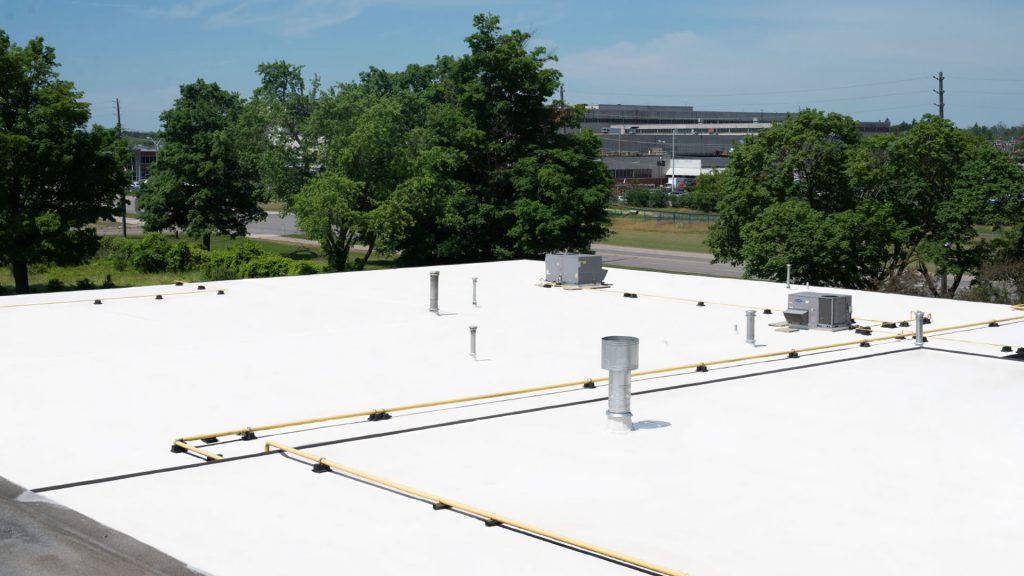
SI-COAT 461 RC’s reflective white finish reduces roof surface temperatures by up to 17°C under South African conditions. For warehouse and factory owners paying significant electricity costs for cooling, this is a tangible financial benefit — not a feature, a selling point.
Lead with energy savings when quoting commercial clients. It shifts the conversation from cost to return on investment and positions you as an advisor, not just an applicator.
FAQ
Does SI-COAT 461 RC require a primer on all surfaces? No. It bonds directly to metal, concrete, and most previously coated surfaces without primer. Primer is required for torch-on membrane applications.
Can it be applied over an existing silicone coating? Yes. Silicone bonds to silicone, which is one of the key advantages of the system for recoat projects.
How long does SI-COAT 461 RC last? Service life depends on application thickness, surface preparation quality, and exposure conditions. Properly applied systems deliver long-term performance in excess of 10 years under South African conditions.
Is it suitable for pitched metal roofs as well as flat roofs? Yes. SI-COAT 461 RC performs on both flat and pitched applications across residential, commercial, and industrial projects.
Where can contractors source SI-COAT 461 RC in Southern Africa? TSS is the exclusive Sub-Saharan Africa distributor for CSL Silicones products. Contact us directly for pricing, technical support, and supply.
Pingback: Silicone Anti-Corrosion Coating for Structural Steel
I have several clients facing the end of warranty on their torch on roofs. Your silicon coating maybe a solution. I would like more info and pricing.