CSL 316 SL Self Levelling Silicone Joint Sealant
CSL 316 SL is a one part self levelling silicone sealant for horizontal concrete joints, made by CSL Silicones in Canada. Contractors across Southern Africa use it on roads, bridge decks, airport aprons and taxiways, harbours and container terminals, mine yards and logistics yards. Because it flows level into the joint, it gives a smooth finish, and it cures at ambient temperature and humidity.

On standards, it complies with ASTM D5893 Type SL, the specification for silicone joint sealants in concrete pavements. Per ASTM C719, it is also rated for +100/−50% joint movement. In addition, it conforms to the COTO specification used on SANRAL projects. Finally, CSL reports CSL 316 SL joints in service in North America for more than 20 years, and backs the sealant with a 10 year product warranty.
CSL 316 SL at a Glance
| Property | CSL 316 SL |
|---|---|
| Product | CSL 316 SL, one part 100% silicone, self levelling |
| Manufacturer | CSL Silicones Inc., Canada |
| Use | Horizontal concrete joints with high movement |
| Standard | ASTM D5893 Type SL |
| Movement (ASTM C719) | +100/−50% |
| Hardness (ASTM D2240) | 10 Shore A |
| Elongation at break (ASTM D412) | 1000% |
| Accelerated weathering (ASTM C793) | No degradation |
| Service temperature | −60°C to 200°C |
| Application temperature | Ambient up to 50°C (colder: consult us) |
| Cure at 25°C, 50% RH | Tooling 22 min, tack free 90 min, cured 48 h, full properties 7 days |
| Cure system | Neutral (oxime), no acetic acid |
| Joint width | 6 to 25 mm |
| Sealant thickness | About half the joint width, 6 to 12 mm, recessed 6 to 12 mm |
| Road specification | Conforms to the COTO specification used on SANRAL projects |
| Colour | Grey; custom colours on request |
| Packaging | 300 ml cartridges, 18.9 L pails, 189 L drums |
| Shelf life | 12 months unopened, stored dry and below 32°C |
| Warranty | 10 year product warranty against material defects, on CSL’s standard terms |
Why Polyurethane Joint Sealants Keep Failing on Southern African Infrastructure
Polyurethane joint sealants dominate the South African market because they cost less upfront and bond to most substrates. For decades that made them the default on roads, bridges, airports and industrial floors. However, their record in local conditions is less convincing.
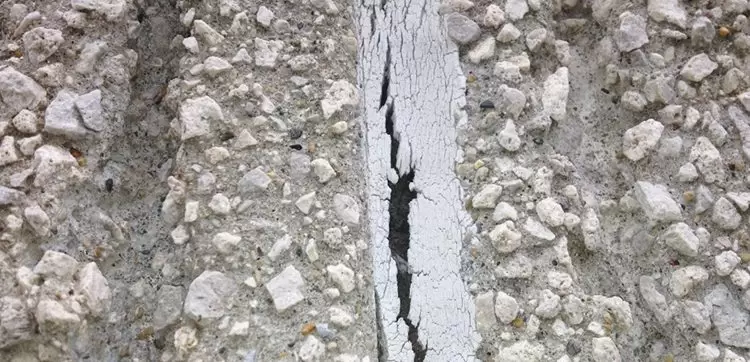
Southern Africa has very strong sunlight. Polyurethane is an organic polymer, and UV breaks it down over time. As a result, the sealant hardens, chalks and cracks. Once a joint sealant cracks, it stops sealing. Water then reaches the subgrade and starts the erosion that leads to potholes and pavement failure.
Thermal cycling also adds to the damage. On the Highveld, in the Kalahari and in the Namib, the gap between night and afternoon temperatures is wide. So the slabs move every day, and a standard Class 25 polyurethane, rated for ±25% movement, gets pushed past its limit and tears.
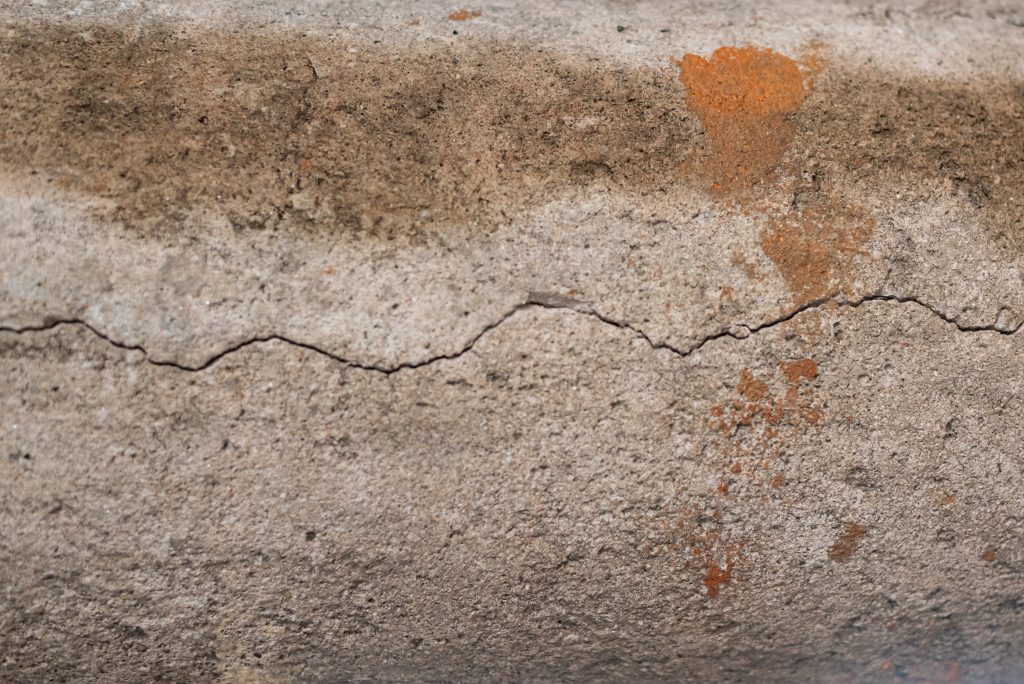
A failed joint never costs only the sealant. On roads, water through failed joints weakens the subgrade. On bridges, water through deck joints reaches the reinforcing steel and starts corrosion, as our article on bridge corrosion protection explains.
CSL 316 SL deals with both causes. First, CSL states it is unaffected by sunlight, ozone, rain, snow and temperature extremes, and the TDS records no degradation in accelerated weathering to ASTM C793. Second, its +100/−50% movement rating gives four times the extension and twice the compression of a Class 25 sealant.
CSL 316 SL Properties
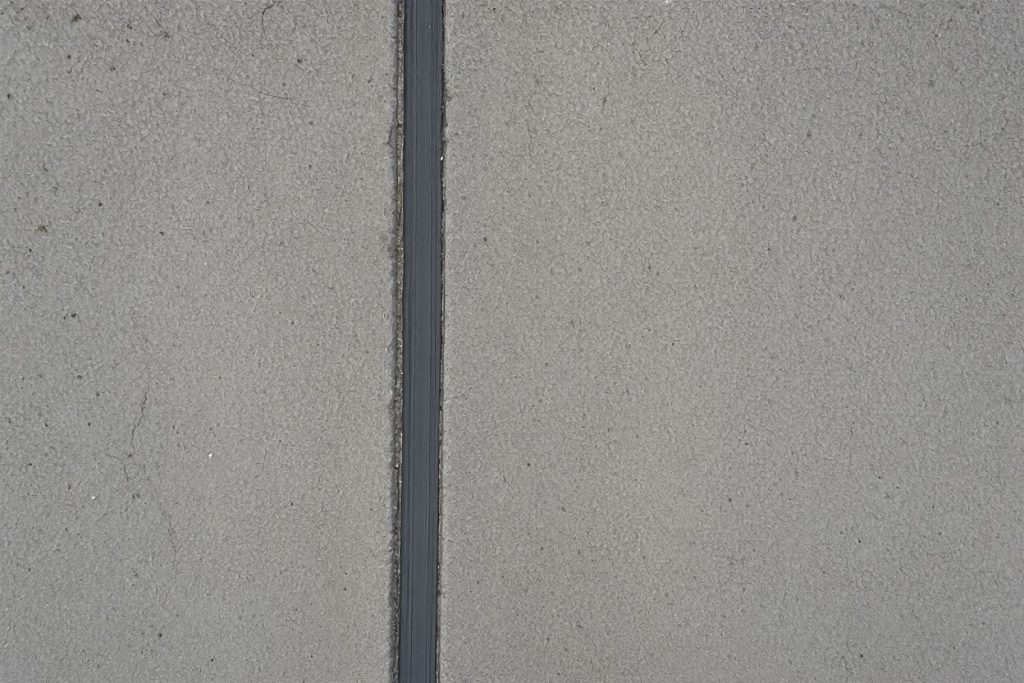
Movement. Rated +100/−50% per ASTM C719. So the sealant can stretch to twice its installed width and close to half of it without failing. As a result, it covers the thermal and traffic movement in highway, bridge and airport joints.
UV resistance. CSL states that CSL 316 SL is unaffected by sunlight, ozone, rain, snow and temperature extremes. That is because the silicon oxygen backbone does not break down under UV the way polyurethane does.
Self levelling. The sealant flows under its own weight to a smooth, level surface across the joint. Then tool it against the joint faces within about 22 minutes for the best adhesion.
Flexibility. Elongation at break is 1000% and hardness is 10 Shore A. As a result, the low modulus puts very little stress on the joint faces as the slabs move.
Temperature range. Once cured, the sealant keeps its properties from −60°C to 200°C.
Fuel resistance. CSL tested it using a modified ASTM C719 cycle, with seven days of exposure to JP-4 jet fuel, Skydrol B, hydraulic fluid and a 50:50 glycol and water mix. In that test it keeps its seal after jet fuel exposure. The test summary is in the documents below.
Neutral cure. It uses an oxime cure, so it releases no acetic acid as it cures.
Primer. No primer is needed on most substrates, because it bonds unprimed to clean, dry concrete and steel. Still, run a trial bead on the actual concrete and check adhesion after 7 days. If it falls short, we will advise on a primer with CSL.
Where CSL 316 SL Is Used
CSL 316 SL is a self levelling silicone sealant made for horizontal concrete joints that move. So these are the main jobs across the region. For more background, read our self levelling silicone sealant guide or compare the options in our concrete joint sealant article.
Roads and Highways
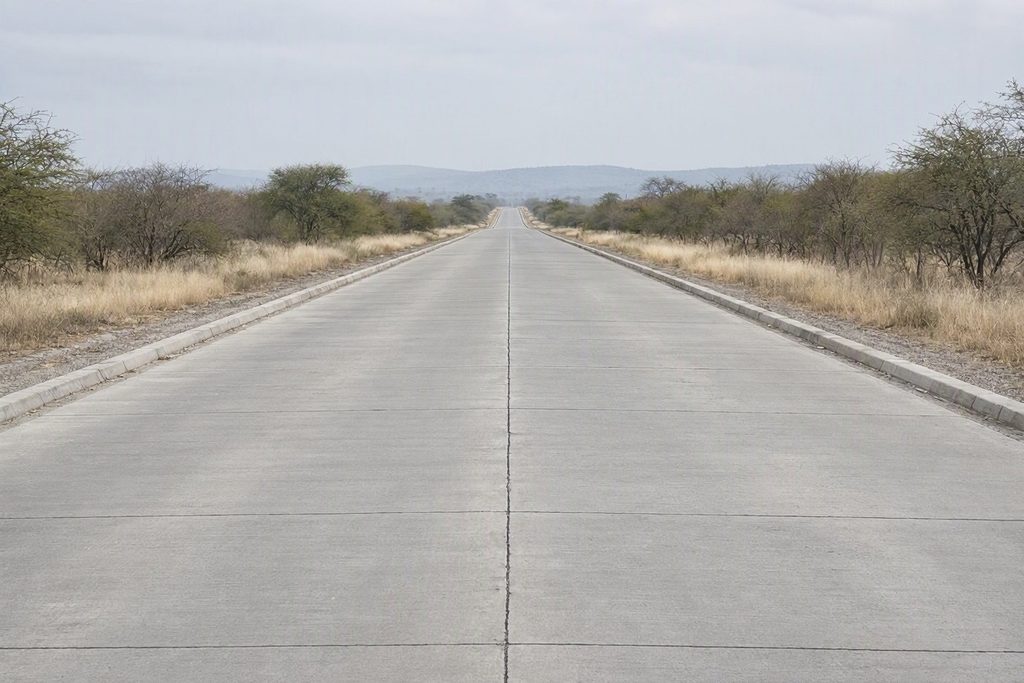
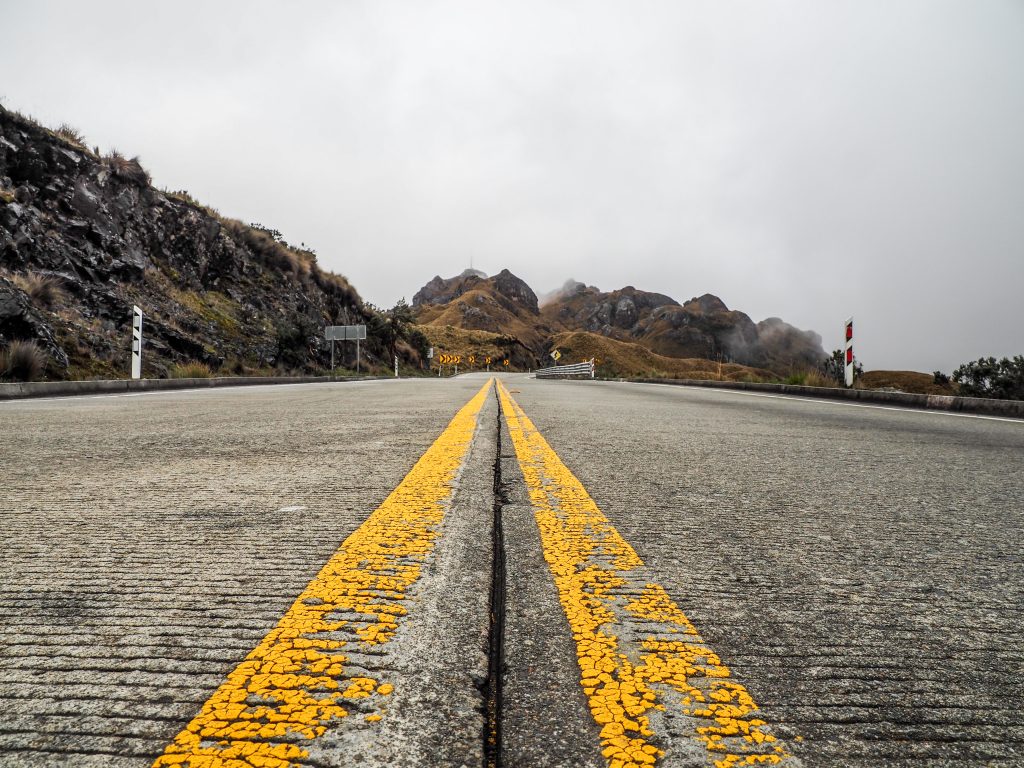
National and provincial roads carry thousands of metres of concrete joints. CSL 316 SL conforms to the COTO specification used on SANRAL projects and handles the movement from daily temperature swings and heavy freight. Also, if the joints are properly recessed, the road can go back to traffic as soon as installation and clean up are done. For example, a supplier to the Texas Department of Transportation ordered three truckloads, about 124,800 cartridges, in 2021 for highway joints. The case history is in the documents below.
Bridge Deck Joints
Bridge deck joints take traffic loading, thermal movement of the structure, and water from road drainage. So the high movement rating and low modulus suit these joints well.
CSL 316 SL for Airport Aprons and Taxiways
Aprons and taxiways see fuel spills, heavy aircraft loads and full sun on the concrete. In addition, a sealant that cracks or debonds can break loose, and loose material on an apron is a foreign object debris (FOD) risk. CSL 316 SL keeps its seal after jet fuel exposure in CSL’s modified ASTM C719 test, and its low modulus keeps it bonded as the slabs move. That makes this self levelling silicone sealant a strong choice for apron, taxiway and stand joints at airports and airfields across the region.
Harbours, Ports and Container Terminals
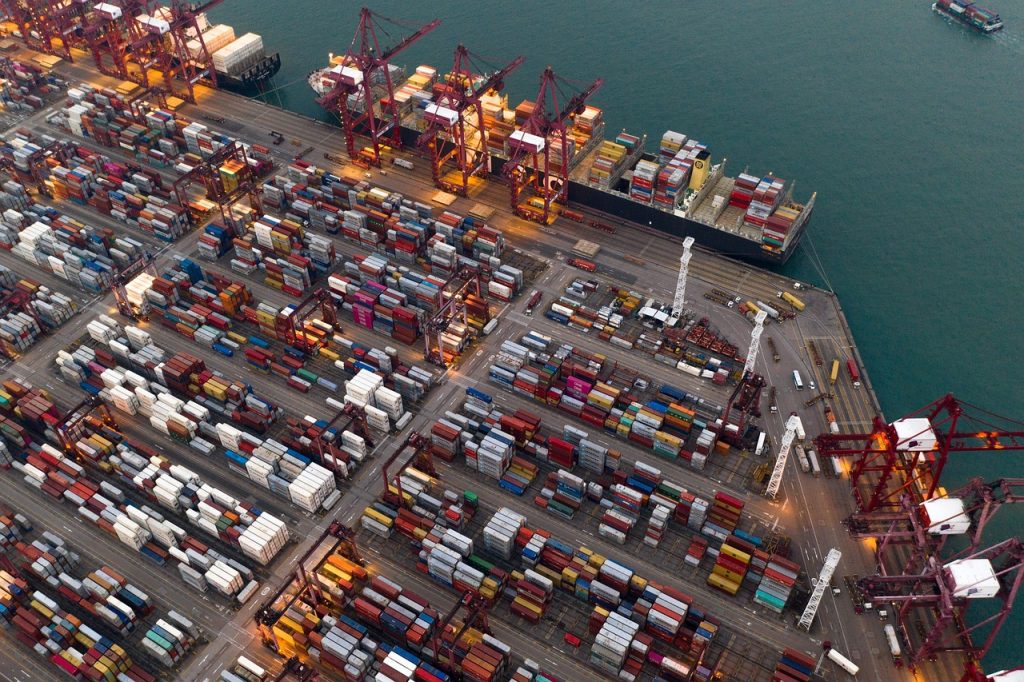
Port pavements from Walvis Bay to Durban, Maputo and Beira face heavy container handlers, constant wetting and drying, and coastal sun. Because CSL 316 SL is rated for high movement and is unaffected by rain and UV according to CSL, it suits the large slab joints in container yards and quay aprons.
Mine Yards, Plant Slabs and Logistics Yards
Truck yards, workshop aprons and plant slabs on the Copperbelt, in the Northern Cape and on the platinum belt load their joints thousands of times a day. Even so, the low modulus lets CSL 316 SL recover from that movement again and again. However, saw cut floor joints under hard forklift wheels usually need a semi rigid filler instead, as our heavy traffic joint article explains.
Where Not to Use CSL 316 SL
- Vertical and overhead joints, such as facades, brickwork and precast panels, because a self levelling sealant runs out of the joint. These need a non sag gun grade sealant.
- Joints narrower than 6 mm or wider than 25 mm, since they fall outside the CSL 316 SL design range.
- Saw cut floor joints under hard forklift wheels, where a semi rigid filler supports the joint edges better.
- Also joints in permanent immersion or in contact with drinking water. Contact us before specifying for these.
Applying CSL 316 SL
- Substrate: concrete and steel, clean, dry and free of dust, frost, oil and old sealant
- Joint faces: first high pressure clean the joint, then blow it out with oil free compressed air in one direction and let it dry fully before sealing
- New concrete: allow at least 7 days to cure and dry before sealing
- Joint width: 6 to 25 mm, so check the joint design before you order
- Sealant thickness: about half the joint width, 6 to 12 mm, recessed 6 to 12 mm below the surface
- Backer rod: polyurethane or expanded polyethylene foam, a snug fit on both sides, because it sets the depth and prevents three sided adhesion
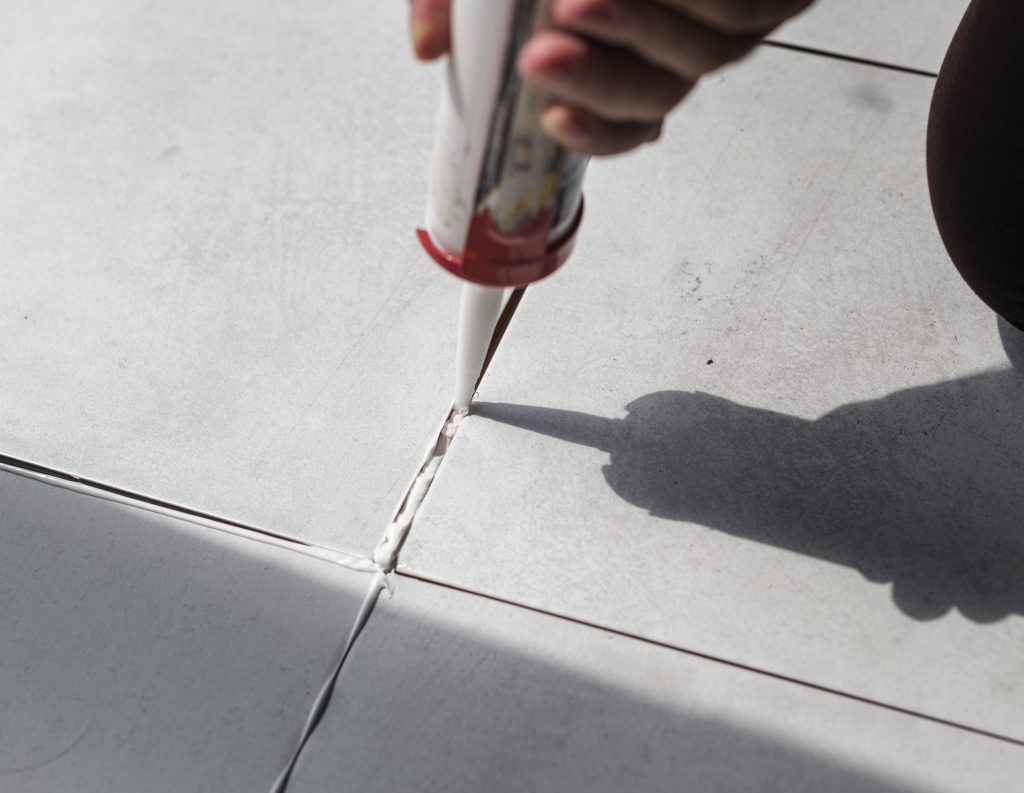
- Application: one part, so no mixing. First fill from the bottom up in one continuous pass, then tool against the joint faces
- Application temperature: ambient up to 50°C. For colder conditions, however, check with us first
- Cure at 25°C and 50% humidity: tooling time 22 minutes, tack free 90 minutes, cured 48 hours, full properties 7 days
- Traffic: so long as the joint is properly recessed, it can take traffic once installation and clean up are complete
- Colour: grey, and custom colours are also available
- Packaging: 300 ml cartridges for small jobs, then 18.9 L pails and 189 L drums for bulk work
CSL 316 SL vs Polyurethane
Standard polyurethane joint sealants are typically rated Class 25, or ±25% movement. They also break down under strong UV, so on exposed infrastructure they need replacing far sooner than silicone.
By contrast, a self levelling silicone sealant such as CSL 316 SL is rated +100/−50% per ASTM C719, is unaffected by UV according to CSL, keeps its seal after jet fuel exposure, and has a service record of more than 20 years in North America. In addition, CSL offers a 10 year product warranty against material defects, on its standard terms.
CSL 316 SL FAQ
Is CSL 316 SL suitable for airport aprons and taxiways?
Yes, because it is a self levelling silicone sealant built for horizontal concrete joints that move. CSL tested it over seven days of exposure to JP-4 jet fuel, Skydrol B, hydraulic fluid and a 50:50 glycol and water mix in a modified ASTM C719 cycle, and it keeps its seal after jet fuel exposure.
Is CSL 316 SL SANRAL approved?
SANRAL does not approve individual products. Instead, it works to the COTO specification, and CSL 316 SL conforms to the COTO specification used on SANRAL projects.
Does CSL 316 SL need a primer?
Not on most substrates, because it bonds unprimed to clean, dry concrete and steel. Still, run a trial bead on the actual job and check adhesion after 7 days before sealing the whole area.
How long does CSL 316 SL last?
CSL reports a service record of more than 20 years in North America. It also backs the sealant with a 10 year product warranty against material defects, on its standard terms.
Technical Solution Supplies distributes CSL Silicones products across Southern Africa, including the DRC and the Seychelles. For full technical data, see the CSL 316 SL FAQ, download the documents below, or contact us with photos of your joints and their widths.
Joint Sealant Technical Documents
- CSL 316 SL Product Brochure (PDF)
- CSL 316 SL Technical Data Sheet (PDF)
- CSL 316 SL Jet Fuel Resistance Test (PDF)
- Case History: Texas Department of Transportation (PDF)
- CSL 316 SL 10 Year Limited Warranty (Specimen) (PDF)
The warranty above is a specimen copy. However, CSL only issues a signed warranty when the joints are sealed by an applicator trained by TSS.
Related Joint Sealant Articles
- Movement Joint Sealant: How to Choose and Install One That Lasts

- Expansion Joint Sealer: What South African Contractors Need to Know
- Self Levelling Silicone Sealant South Africa: Everything You Need to Know About CSL 316 SL Self Levelling Silicone Sealant

- Concrete Joint Sealants: How Polyurethane, Hybrid, and Silicone Handle Movement in South African Infrastructure

- Why Polyurethane Joint Sealants Keep Failing on South African Roads and Infrastructure

- Heavy Vehicle Traffic: Why Joint Sealants Fail in Depots, Ports, and Logistics Yards

- Concrete Joint Movement: Why South Africa’s R1 Trillion Infrastructure Bet Depends on Getting the Details Right

- Silicone Self-Levelling Joint Sealant for Harbours: Why CSL 316 Delivers Long-Term Performance

- Self-Levelling Silicone Joint Sealant – The Smart Choice for Airport Aprons

- The Hidden Cost of Joint Failure in South African Infrastructure

- CSL 316 Self-Levelling Silicone Sealant – Built for South Africa’s Toughest Infrastructure



Send us the problem
Photos and a rough size are enough to start, while drawings and specs can follow later. Then we come back with the right product and a quote.