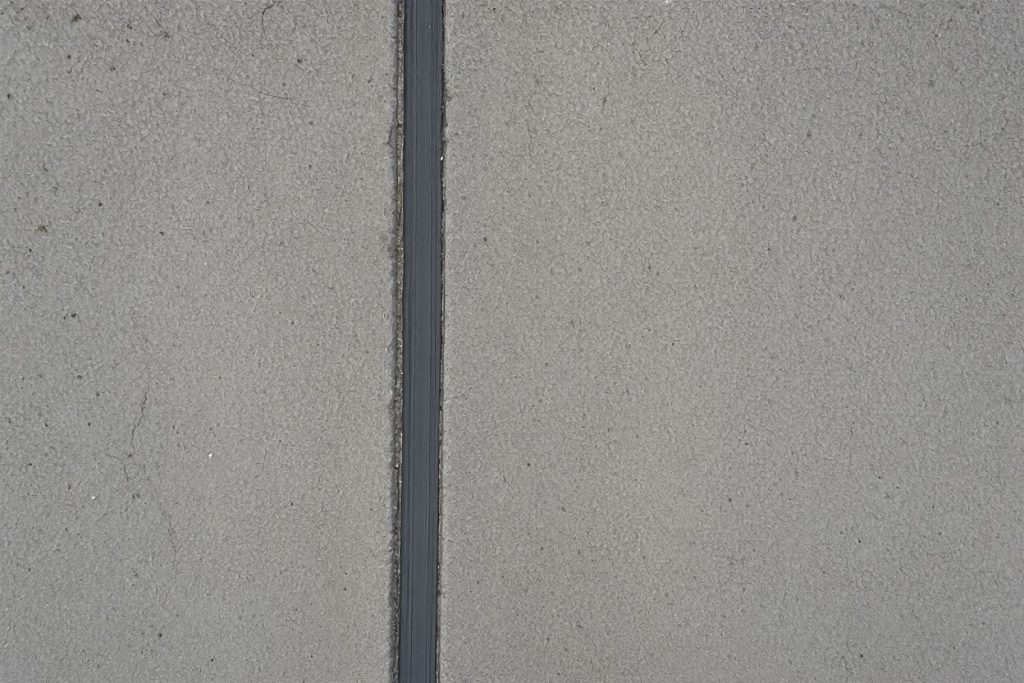
Every concrete structure moves. Temperature swings, traffic loads and settlement make joints open and close all year. Without a reliable expansion joint sealer, water and debris get into those gaps, and damage follows. So choosing the right sealer decides how long a joint lasts before it fails.
South African contractors face particularly harsh conditions. For example, coastal humidity in KwaZulu Natal and the Western Cape speeds up material breakdown, while inland regions swing between scorching summers and cold winters. As a result, an expansion joint sealer here must handle wide temperature changes without cracking, shrinking or losing its bond.
What Makes a Reliable Expansion Joint Sealer
Not every sealer suits every joint. In fact, conventional polyurethane and hybrid products often harden over time, so they lose flexibility exactly when the joint needs it. A 100% silicone, self levelling sealer behaves differently. It stays elastic throughout its service life and keeps absorbing joint movement without tearing.
Low modulus is the property that matters most. It lets the sealer stretch and compress again and again while putting very little stress on the joint faces. Therefore, the bond between sealer and concrete stays intact, even through large seasonal movement. For example, CSL 316 is rated for +100/−50% movement per ASTM C719.
Comparing Joint Sealant Chemistries
Specifiers usually choose between four chemistry types. Each behaves differently under movement, sun and long term weathering, which is why the choice matters as much as the installation.
| Property | Polysulphide | Polyurethane | Hybrid | Silicone (self levelling) |
|---|---|---|---|---|
| Movement capability | Moderate | Moderate, mostly Class 25 | Good, Class 25 to 35 | Excellent, +100/−50% for CSL 316 |
| UV and weathering resistance | Fair, hardens over time | Poor to fair, tends to chalk | Good | Excellent, CSL states 316 is unaffected by UV |
| Primer requirement | Often required | Usually required | Sometimes required | Not required on clean concrete or steel |
| Typical service life | 10 to 15 years | 5 to 8 years, less in strong sun | 8 to 12 years | More than 20 years reported by CSL for 316 |
| Horizontal joints | Requires tooling | Requires tooling | Requires tooling | Self levels, light tooling recommended |
As the table shows, self levelling silicone beats the alternatives on movement and UV stability. The polyurethane gap matters most, because its performance drops sharply in strong sun, and South Africa has some of the strongest in the world. Silicone’s inorganic chemistry does not carry that risk. For a deeper comparison, read our article on polyurethane, hybrid and silicone sealants.
Where Expansion Joint Sealer Matters Most
Not all expansion joints move the same way. Highway joints take constant vehicle loading on top of daily thermal cycling, so they need a sealer that recovers quickly. Bridge deck joints face some of the harshest conditions of all, with structural flex, vibration and full weather exposure.
Meanwhile, airport apron joints must handle aircraft loads plus fuel, hydraulic fluid and deicing fluid, which rules out sealers that soften on contact. Harbour joints add salt and constant wetting.
Parking deck joints sit somewhere in between. Saw cut joints inside warehouses are a special case, because hard forklift wheels need edge support more than flexibility. Read our note on joint sealant for heavy traffic before choosing for those. In short, match the sealer to the movement and exposure of each joint, rather than assuming one product suits everything.
Preparing the Joint Before Sealing
Preparation decides whether an expansion joint sealer lasts for years or fails within months. First, remove all old sealant, dust, oil and loose material. Then sandblast the top 25 mm of each joint face and blow the joint out with oil free compressed air. The joint must be clean and dry before any sealant goes in.
Next, install a closed cell backer rod about 25 to 30% wider than the joint, so it fits snugly. Set it so the sealant thickness is about half the joint width. This step matters more than many contractors realise, because the backer rod prevents three sided adhesion. Without it, the sealant cannot stretch properly and tears from the inside.
Applying an Expansion Joint Sealer
A self levelling silicone sealer saves time on large horizontal joints. Contractors pour or extrude it straight into the prepared joint, filling from the bottom up, and it flows level under its own weight. Even so, CSL recommends tooling it lightly against the joint faces for the best adhesion. Finally, leave it recessed 6 to 12 mm below the surface so tyres do not run on it.
At 25°C and 50% humidity, CSL 316 is tack free in about 90 minutes, cured in 48 hours and reaches full properties in 7 days. A properly recessed joint can take traffic once installation and clean up are complete. CSL also reports 316 joints in service in North America for more than 20 years.
Signs a Joint Needs Resealing
Even a well installed sealer eventually wears, so regular inspection matters. Cracks or splits along the sealant surface are usually the first warning. They mean the material has lost flexibility and can no longer absorb the movement.
Adhesion loss is another common failure. If the sealer has pulled away from one or both joint faces, water and debris get past it, however intact it looks. Also watch for hardening, because a stiff sealer cracks under load instead of flexing.
Finally, stones and grit packed into the joint are a red flag. They stop the joint closing in hot weather, which crushes the edges and causes spalling. Inspecting joints twice a year, before and after the hottest and coldest seasons, catches these problems before they become structural repairs.
Where South African Standards Come In
SANRAL does not approve individual products. Instead, it refers specifiers to the COTO standard specifications. A sealer that conforms to COTO and to ASTM D5893 gives engineers a proven expansion joint sealer, not just a sales claim. CSL 316 complies with ASTM D5893 Type SL and conforms to the COTO specification used on SANRAL projects.
Also, the right silicone needs no primer on clean, dry concrete or steel. For other substrates, including asphalt, run a field adhesion test before full application.
Do You Need to Seal Expansion Joints?
Yes. Sealing is essential wherever concrete meets concrete or another rigid material. An open joint lets water into the layers below, which causes erosion and corrodes the reinforcing steel. Sealing also keeps grit and stones out, so the joint can close in hot weather.
In fact, an unsealed joint loses its purpose. Expansion joints exist to let concrete move without cracking, and a joint full of grit or water cannot do that. As a result, unsealed joints often fail before the concrete around them, turning a small maintenance job into a structural repair.
What Is the Best Expansion Joint Sealer for Concrete?
For concrete, a self levelling, low modulus silicone generally outperforms polyurethane and hybrids. It resists UV without chalking or going brittle, even after years of direct sun. It also handles a wide temperature range without hardening in the cold or softening in the heat, which suits South Africa’s climate zones well.
The self levelling property matters too. On horizontal joints, the sealer flows into place, which saves labour and gives an even finish. In addition, no primer is needed on clean concrete or steel, so contractors can move straight from preparation to sealing.
How Do You Seal an Expansion Joint Correctly?
Correct sealing follows a fixed order. Clean and sandblast the joint, install the backer rod at the right depth, pour the sealer, tool it against the faces, and let it cure before traffic crosses. Skipping or rushing any step shortens the sealer’s life. For the full method, see our concrete joint sealant guide.
Timing also matters. Sealing in moderate temperatures, rather than at the peak of summer or the depth of winter, means the joint is at a middle width during application. That gives the sealer equal room to stretch and compress as temperatures change, which extends its working life.
What Can You Use Instead of Traditional Sealant?
Some contractors use backer rod alone, foam fillers or old bituminous compounds instead of a proper sealer. However, none of these keep water and debris out the way a purpose made sealant does. Backer rod supports the sealant from below, but it was never meant to waterproof the joint on its own. Likewise, foam fillers and bituminous compounds harden and lose their bond far sooner than a 100% silicone sealer, so the joint fails again within a few years.
To discuss an expansion joint sealer for your project, browse our joint sealant articles, read the CSL 316 FAQ, or contact us. Proud distributors of CSL Silicones.