
Movement Joint Sealant: How to Choose and Install One That Lasts
A movement joint sealant has one job: stay bonded to both sides of the joint while the concrete opens, closes
Articles on sealing movement joints in concrete roads, bridges and airfield pavements. Most of them cover CSL 316 SL, a self levelling silicone joint sealant that meets the COTO specification for roads. See the joint sealant page for the product.
A movement joint sealant has one job: stay bonded to both sides of the joint while the concrete opens, closes

Every concrete structure moves. Temperature swings, traffic loads and settlement make joints open and close all year. Without a reliable

Self levelling silicone sealant is one of the most specified products in South African civil engineering and infrastructure maintenance. Contractors
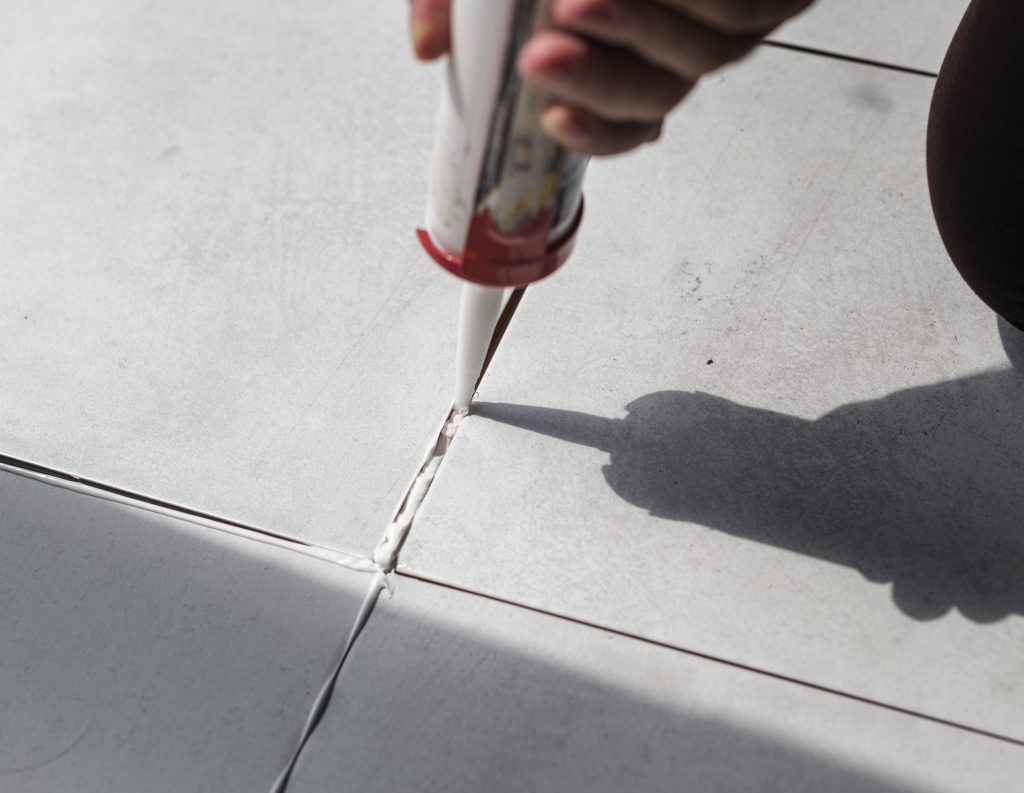
Choosing a concrete joint sealant starts with one fact: concrete moves. Temperature swings, drying shrinkage and traffic loads all make

Polyurethane is the default joint sealant in South Africa. Contractors specify it on roads, bridges, airport aprons and industrial floors

Concrete Joint Sealant for Heavy Traffic: Why Standard Products Fail in Depots and Ports A concrete joint sealant for heavy
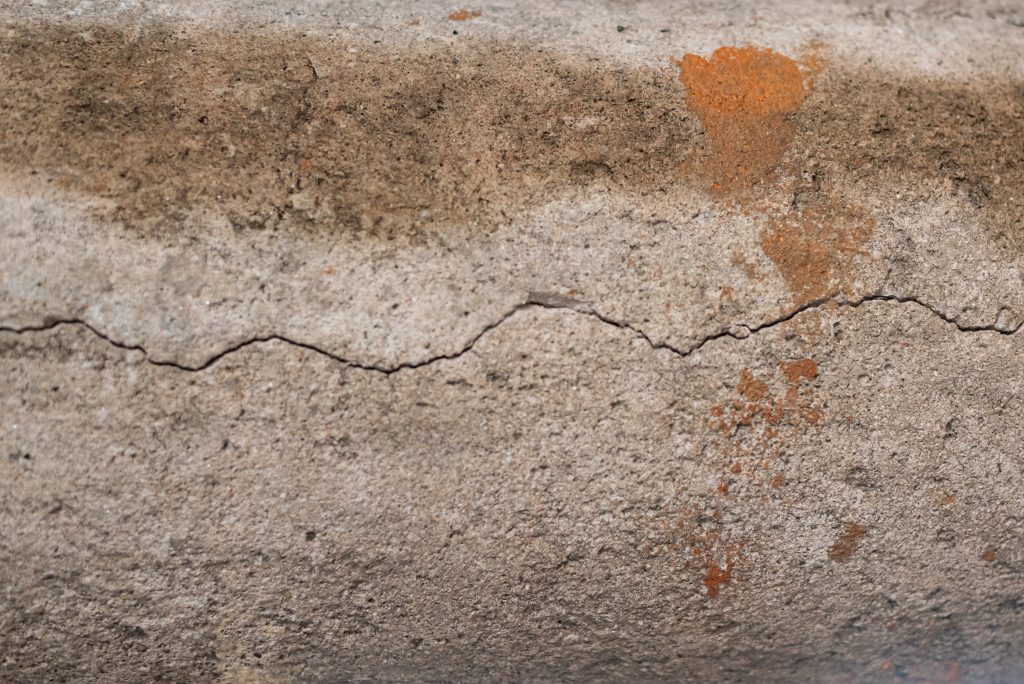
In the 2025 Budget, South Africa committed more than R1 trillion to public infrastructure over three years. Roads, bridges, water

Why Harbours Need a Silicone Joint Sealant for Harbours, Not a Standard Product A silicone joint sealant for harbours has

Self-Levelling Silicone Joint Sealant: The Smart Choice for Airport Aprons A self-levelling silicone joint sealant is the right answer for

The hidden cost of joint failure is easy to miss on a project budget, but it shows up later in