A substation insulator coating is cheapest and most effective when it goes on before the substation is energised. That is the moment to protect every new insulator on South Africa’s growing grid. Si-COAT 570 HS (also known as 570 HS), the RTV silicone insulator coating supplied by Technical Solution Supplies (TSS), passed both IEC TR 62730 tests at independent accredited high voltage laboratories. The full accredited test reports are available on request from Technical Solution Supplies.
A Grid Build That Needs Substation Insulator Coating
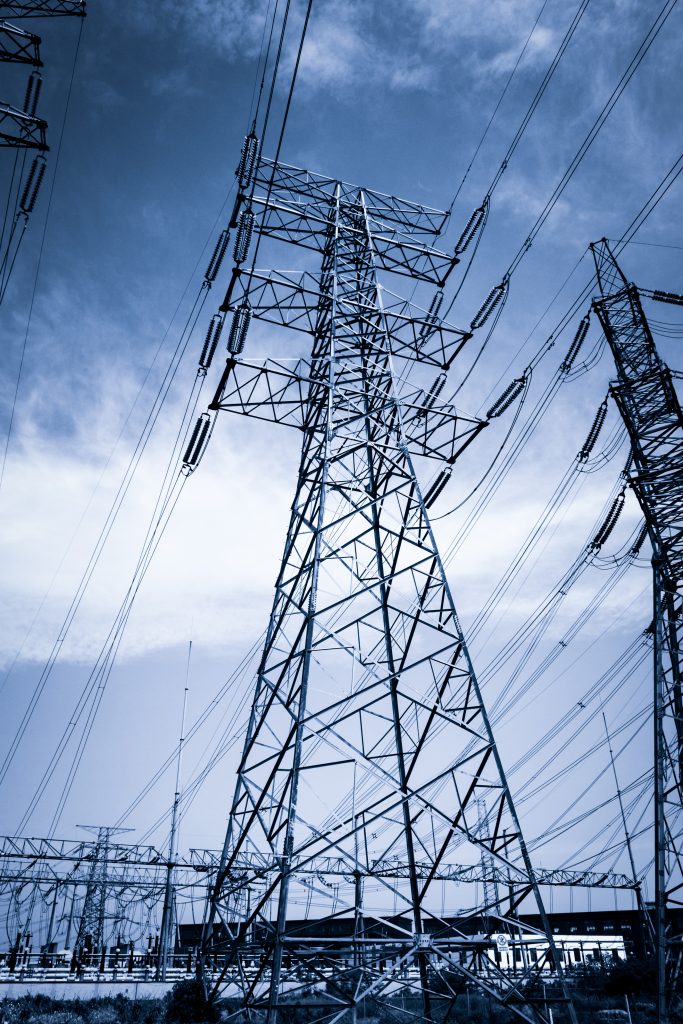
South Africa is building transmission infrastructure at a scale not seen in a generation. Eskom’s Transmission Development Plan, now run by the National Transmission Company South Africa (NTCSA), calls for thousands of kilometres of new lines and many new and extended substations. Much of that work sits in the Northern, Western and Eastern Cape, where it connects new wind and solar farms. Private companies are also being brought in to build transmission lines.
So a lot of new high voltage equipment is about to go into service in some of the harshest pollution environments in the country. Every project engineer and asset owner faces the same question before the first insulator goes live: does it need a substation insulator coating now, while the substation is still dead?
Why New Insulators Are Not Safe Insulators
Many projects assume that new equipment needs no surface treatment. The insulator left the factory clean, the porcelain or glass is intact, and the geometry meets the specification. On paper, it looks fine.
In practice, a new uncoated insulator starts collecting pollution from its first day in service. Coastal salt, dust from roads, mines and dry land, farm chemicals and industrial fallout all settle on it. Then rain, fog or condensation wets that layer and makes it conductive. Leakage current flows, heats the surface and dries it in patches. Arcs jump across those dry bands, and in the end the insulator can flash over, which trips the line and can damage the equipment around it.
The Northern and Western Cape, where most of the new renewable substations are going, combine high UV, heavy dust from arid ground and coastal salt that reaches further inland than many project teams expect.
How a Substation Insulator Coating Works
Si-COAT 570 HS is a one part RTV silicone insulator coating made by CSL Silicones. It needs no primer, no mixing and no thinning. Once cured, the film makes water bead and run off, so moisture cannot form a continuous conductive layer over the pollution. As a result, leakage current stays low and the risk of pollution flashover falls.
Silicone also keeps working as dirt builds up. Low molecular weight silicone moves from the coating into the pollution layer and makes that layer water repellent too. According to CSL, Si-COAT 570 HS has more than 15 years of field service with zero failures.
The Test Results Behind Si-COAT 570 HS
Si-COAT 570 HS passed both tests in IEC TR 62730 at independent ISO/IEC 17025 accredited high voltage laboratories, on coated porcelain line post insulators. First, the 5,000 hour multiple stress test ran daily cycles of rain, salt fog, 95% humidity, 50°C heat and simulated sunlight under continuous voltage. It also ran at a higher voltage than the standard sets for that insulator. There were no flashovers or trip outs, no puncture and no erosion reaching the core. Second, the tracking and erosion wheel test ran more than 30,000 cycles of dipping in salt water and energising. Again there was no tracking or erosion to the core and no puncture.
Eskom Transmission’s standards for RTV silicone insulator coatings list several test routes for heavy pollution sites, and both IEC TR 62730 tests are among them. Si-COAT 570 HS holds accredited reports for both, so it meets those test requirements. Approval itself is Eskom’s decision. For Eskom work, apply at least 0.3 mm dry.
Coating at Commissioning: Substation Insulator Coating From Day One
On a new substation, the work fits the commissioning programme. Crews clean, inspect and coat the insulators before energisation. Apply about 0.38 mm dry (15 mil, 380 µm), with a minimum of 0.25 mm (10 mil), by airless spray, brush or dip. That is roughly half a litre per square metre before losses. At 25°C and 50% humidity it skins in 20 to 25 minutes and cures through in about 6 hours.
On substations already in service, a substation insulator coating goes on during a planned outage, after the insulators are washed and any old grease is removed. It is never applied live.
Where a Coating Is Not the Answer
A substation insulator coating does not repair a cracked, chipped or punctured insulator, so damaged units need replacing first. It also does not stop bird or animal flashovers, which need guards or other measures. Finally, where a utility specifies grease, TSS supplies CSL 880 insulator grease for that site.
Frequently Asked Questions
When should a substation insulator coating be applied?
The best time is before energisation, as part of commissioning. The equipment is dead, access is easy, and the insulators are protected before the first pollution builds up.
Can Si-COAT 570 HS be applied without switching a substation off?
No. It goes on before energisation on new equipment, or during a planned outage on existing equipment. It is never applied live.
How long does Si-COAT 570 HS last on a substation?
According to CSL, Si-COAT 570 HS has more than 15 years of field service with zero failures. Actual life depends on the pollution at the site and the thickness applied.
Is substation insulator coating suitable for new and existing substations?
Yes. New substations are best coated before energisation, and existing ones during a planned outage after washing and grease removal. It suits porcelain, glass and composite insulators.
Why are Northern and Western Cape substations at high risk of flashover?
The Northern Cape combines extreme UV, heavy dust and big temperature swings, while the Western Cape adds coastal salt and fog. Both regions host most of the new renewable substations, so insulator protection matters there from day one.
For full technical data, see the Si-COAT 570 HS insulator coating page, the Si-COAT 570 HS FAQ, and our articles on wind and solar farm substations, RTV insulator coating in Southern Africa and transmission tower corrosion.
To plan coating into your commissioning programme, contact us with the substation details. You can also ask for the accredited test reports or a site visit.
Technical Solution Supplies distributes CSL Silicones products across Southern Africa, including the DRC and the Seychelles.
Proud exclusive distributor of CSL Silicones in Southern Africa.