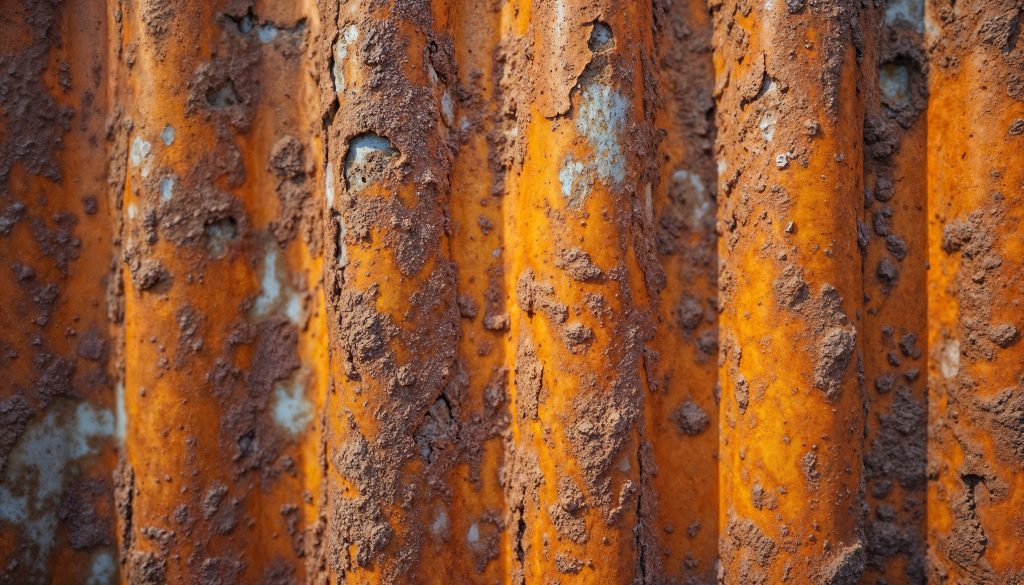
Mining buildings are not ordinary structures. Processing plants, ore storage facilities, conveyor covers, maintenance workshops, and workforce accommodation on mine sites all face a combination of heat, corrosive dust, chemical exposure, and mechanical vibration that destroys conventional roof coatings in a fraction of their designed service life. An industrial roof coating for mining infrastructure must perform under conditions that most roofing products were never designed to withstand.
Across Africa’s mining regions, the consequences of roof failure reach well beyond the cost of repairs. A leaking processing plant roof exposes sensitive machinery and electrical systems to moisture. A corroded conveyor cover means unplanned downtime while emergency repairs are arranged. A failed roof on a remote mine site means sourcing contractors, materials, and equipment across distances that make every hour of delay expensive.
TSS, the exclusive Sub-Saharan Africa distributor for CSL Silicones, supplies SI-COAT 461 RC — a reflective, elastomeric silicone roof coating designed specifically for industrial and mining applications. This article explains why it outperforms conventional roof coatings in the conditions Africa’s mining operations deal with every day.
What Mining Roofs Are Up Against
Mining environments attack roof surfaces from multiple directions simultaneously. The challenge starts with heat. Metal roof sheeting on mine processing plants and warehouses in southern and central Africa absorbs intense solar radiation. Surface temperatures on uncoated metal roofs regularly exceed 70 degrees Celsius in peak summer conditions. That heat drives rapid thermal expansion and contraction cycles, which stress conventional coatings until they crack. Once a crack forms, moisture and corrosive dust penetrate the substrate and corrosion spreads beneath the surface, hidden from view until leaks or structural damage eventually appear.
Corrosive dust compounds the problem significantly. Sulphur compounds, mineral particles, salt, and acid aerosols from smelting and processing operations settle on roof surfaces and mix with moisture during rainfall. The result is a highly corrosive film that attacks unprotected metal sheeting and degrades conventional coatings far faster than typical industrial exposure. In coastal mining regions — including operations near South Africa’s West Coast and along Tanzania’s Indian Ocean shoreline — salt spray adds further chemical aggression to an already demanding environment.
Mechanical vibration from heavy processing equipment, ore handling systems, and vehicle traffic causes roof fasteners to loosen and sheeting to flex at lap joints. Rigid coatings crack at these flex points, allowing water ingress to begin at exactly the locations most vulnerable to corrosion. For mines operating around the clock, these failure points develop faster than annual inspection cycles typically catch them.
Why Conventional Industrial Roof Coatings Fail on Mine Sites
Acrylic and bitumen-based roof coatings are the most common industrial roof coating options specified across South Africa. Both have a reasonable track record in standard commercial and industrial environments. However, they share a critical limitation when deployed on mine sites: they are rigid systems that cannot flex with the substrate movement that mining roofs experience.
Therefore, in the thermal cycling conditions typical of mining infrastructure in semi-arid regions — from the Zambian Copperbelt to South Africa’s Northern Cape — acrylic coatings crack within three to five years. Bitumen-based systems soften and flow at high roof surface temperatures, leaving unprotected areas and creating water pathways at lap joints and penetrations. Both systems require abrasive surface preparation before application, which adds cost and time to maintenance programmes on roofs that may be difficult to access safely while operations continue beneath them.
In addition, neither system addresses the heat transfer problem that drives running costs on mine sites. An uncoated or dark-coated metal roof absorbs solar radiation and radiates heat into the building below. For processing plants and maintenance workshops where temperature control matters for equipment reliability and worker safety, that heat load directly affects operational costs.
SI-COAT 461 RC: Industrial Roof Coating Built for Mining Conditions
SI-COAT 461 RC is a single-component, room-temperature vulcanising silicone coating. It forms an elastomeric film that flexes with substrate movement instead of cracking under thermal stress. For mining roofs that cycle through extreme temperature swings daily, this elastomeric flexibility is the foundation of long-term performance.
The coating’s reflective white formulation reduces roof surface temperatures significantly by reflecting solar radiation rather than absorbing it. Lower surface temperatures mean less thermal cycling stress on the roof itself, reduced heat load into the building below, and lower cooling costs for facilities where temperature management matters. All SI-COAT 461 RC colours are tested to withstand 5,000 hours of accelerated UV weathering — essential for roofs in high-UV mining regions across southern and central Africa.
SI-COAT 461 RC adheres directly to metal, concrete, and existing coatings without abrasive blasting. Surface preparation requires only cleaning to remove loose material, oil, and contamination. This matters enormously on mine sites where scaffolding, access equipment, and roof work above live operational areas carry real safety and logistical costs. Minimal surface preparation translates directly into faster project completion and lower maintenance spend.
The silicone matrix resists sulphuric acid vapour, salt spray, and the airborne mineral contamination that accelerates conventional coating failure on mine processing and smelting infrastructure. For operations near chemical processing, smelting, or coastal environments, this chemical resistance extends the coating’s effective service life well beyond what acrylic or bitumen systems can deliver.
Mining Applications Across Southern and Central Africa
Processing plant roofs carry the highest risk profile on any mine site. Large span metal sheeting exposed to constant vibration from processing equipment, chemical contamination from processing operations, and intense UV exposure degrades faster than any other mine building type. SI-COAT 461 RC’s combination of flexibility, chemical resistance, and reflectivity addresses all three of these failure drivers in a single coating application.
Conveyor cover structures protect ore handling systems that represent enormous capital investment. A leaking conveyor cover exposes drive systems, motors, and ore handling equipment to moisture and corrosive dust. Furthermore, emergency repairs on operational conveyor systems carry significant safety risks. SI-COAT 461 RC applied as a preventative coating converts a recurring emergency maintenance liability into a scheduled, long-term protection investment.
Maintenance workshops and equipment storage facilities on remote mine sites — across Zambia’s Copperbelt, the DRC’s Katanga region, and South Africa’s platinum and gold belts — represent critical operational infrastructure. However, they are routinely under-maintained compared to production-critical structures. As a result, roof failures in these facilities create equipment damage and operational disruption that is disproportionate to the cost of preventative coating.
Workforce accommodation on remote mine sites presents a specific application challenge. Buildings must remain habitable in extreme heat conditions, and roof maintenance must minimise disruption to occupied facilities. SI-COAT 461 RC’s reflective properties reduce internal temperatures significantly, while its fast-cure characteristics — tack-free within 30 minutes under typical conditions — allow application with minimal disruption to building occupants.
Frequently Asked Questions
Is SI-COAT 461 RC suitable for metal roof sheeting on processing plants?
Yes. SI-COAT 461 RC bonds directly to metal roof sheeting, including Chromadek, IBR, and corrugated profiles, without primer or abrasive blasting. Its elastomeric flexibility accommodates the thermal expansion and contraction that cracks rigid coatings on large-span processing plant roofs.
How does SI-COAT 461 RC perform in the presence of sulphuric acid vapour from smelting operations?
SI-COAT 461 RC’s silicone chemistry resists sulphuric acid vapour and the acidic condensation common in smelting and chemical processing environments. However, for surfaces directly exposed to liquid acid splash or immersion, contact TSS for a specific recommendation suited to those conditions.
Can SI-COAT 461 RC be applied while the building remains operational?
In most cases, yes. SI-COAT 461 RC requires only surface cleaning before application and reaches tack-free cure rapidly, which allows roof work to proceed above operational areas without extended downtime. TSS provides technical guidance on application sequencing for live operational environments.
What is the expected service life of SI-COAT 461 RC on mine site roofs?
In standard industrial conditions, SI-COAT 461 RC significantly outperforms acrylic and bitumen-based alternatives in terms of service life, particularly in high-UV, high-temperature environments. TSS provides service life expectations specific to the environmental conditions of your mine site.
Is SI-COAT 461 RC available for mine sites in Zambia, the DRC, and Tanzania?
Yes. TSS supplies SI-COAT 461 RC across Sub-Saharan Africa as the exclusive distributor for CSL Silicones, with supply capability to mining operations in South Africa, Zambia, the Democratic Republic of Congo, Tanzania, and Namibia.
An Industrial Roof Coating That Works as Hard as Your Mine Does
Mine site roofs take a relentless beating — from heat, chemical contamination, mechanical vibration, and the practical difficulty of maintenance in remote, operational environments. Conventional industrial roof coatings were not designed for these conditions, and their premature failure creates maintenance costs and operational disruptions that compound over time.
SI-COAT 461 RC delivers elastomeric flexibility, chemical resistance, UV durability, and heat reflectivity in a single coating designed for exactly these demands. For mining operations across southern and central Africa, it converts a recurring maintenance liability into a long-term asset protection investment.
To discuss SI-COAT 461 RC for your mine site roofing requirements, contact us through our contact us page or visit our FAQ page for more information. Proud distributors of CSL Silicones.