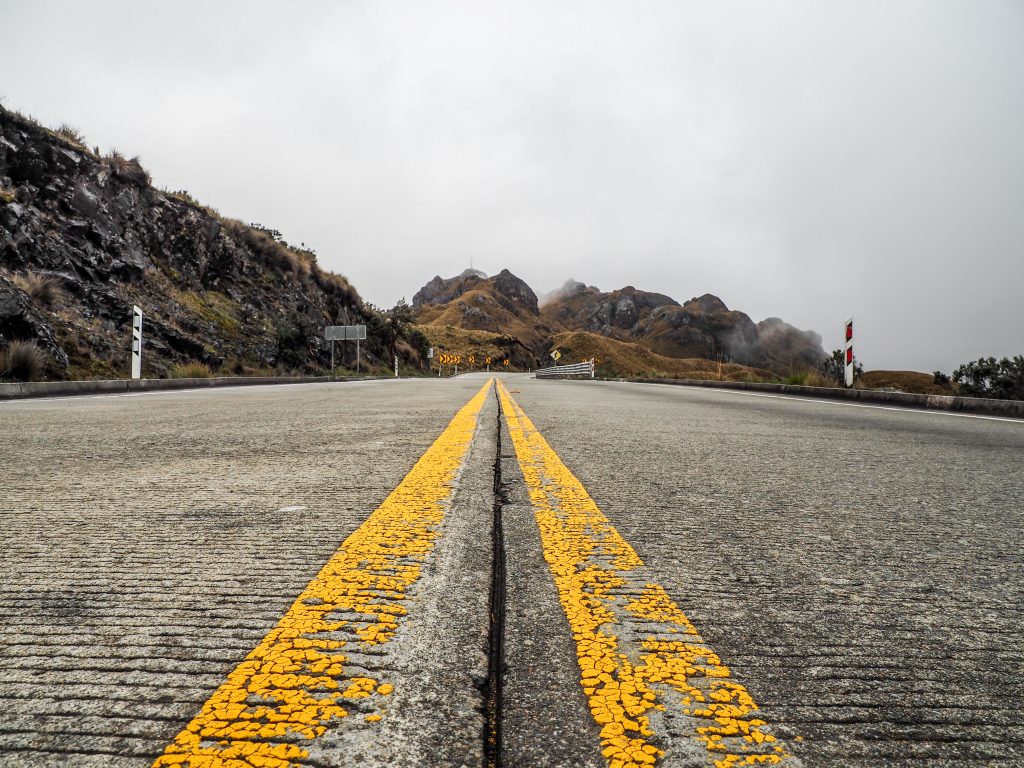
Self levelling silicone sealant is one of the most specified products in South African construction, civil engineering, and infrastructure maintenance. Contractors use it on highways, bridges, airport aprons, parking structures, industrial floors, and commercial buildings. However, finding the right product — one that genuinely performs in South Africa’s demanding climate conditions — is not always straightforward.
CSL 316 SL Self Levelling Silicone Sealant is a high-performance, one-part, moisture-cure, room-temperature vulcanising silicone joint sealant available in South Africa through TSS, the exclusive Sub-Saharan Africa distributor for CSL Silicones. This article answers every key question about self levelling silicone sealant and explains exactly why CSL 316 SL belongs in your next specification.
What Is Self Levelling Silicone Sealant?
Self levelling silicone sealant is a low-viscosity, one-part silicone formulation designed for horizontal joint applications. Unlike conventional sealants that require tooling after application, self levelling silicone sealant flows under gravity to fill the joint completely and create a smooth, flush surface finish without manual intervention.
The self-levelling characteristic makes it ideal for expansion joints, saw-cut control joints, and construction joints in horizontal concrete surfaces. It eliminates air pockets and bridging, ensuring full contact with joint walls and consistent film thickness throughout the joint depth. Therefore, it outperforms conventional sealants in applications where joint geometry is irregular or where surface finish quality matters.
What Is Self Levelling Silicone Sealant Used For?
Self levelling silicone sealant handles horizontal joint sealing across a wide range of construction and infrastructure applications. In South Africa, the most common uses include:
Concrete highway expansion joints and saw-cut control joints, where the sealant must accommodate significant pavement movement without cracking or debonding. Bridge deck joints and approach slab joints, where thermal expansion and traffic loading create continuous movement demands. Airport apron joints, where fuel resistance and UV stability are mandatory performance requirements. Industrial floor joints in warehouses, logistics facilities, and manufacturing plants, where forklift traffic and chemical exposure demand a robust, flexible seal. Parking structure joints, where water infiltration is the primary failure mechanism and long-term adhesion to concrete is critical.
In addition, self levelling silicone sealant suits concrete-to-asphalt lane shoulder joints, pedestrian plaza joints, and commercial building perimeter joints at ground level.
What Makes CSL 316 SL Different From Other Self Levelling Sealants?
CSL 316 SL is a 100% silicone formulation. This matters significantly because not all self levelling sealants on the market are silicone. Many are polyurethane or hybrid formulations that offer lower upfront cost but shorter service life and reduced UV resistance compared to pure silicone chemistry.
Silicone outperforms polyurethane in several critical areas. First, silicone maintains flexibility across a far wider temperature range — from below zero to over 150 degrees Celsius — without hardening or softening. South Africa’s climate produces extreme temperature swings, particularly on exposed highway and airport pavement surfaces, and a sealant that hardens in cold conditions or softens in heat creates exactly the adhesion failures that lead to premature joint resealing.
Second, silicone resists UV degradation far better than polyurethane. Polyurethane sealants chalk and degrade under South Africa’s high UV index, losing adhesion and flexibility within three to five years. CSL 316 SL’s silicone chemistry resists UV exposure throughout its service life without the surface degradation that triggers early failure in competing formulations.
Third, CSL 316 SL cures to a low-durometer, ultra-low modulus rubber. This means it exerts minimal stress on the joint walls during movement. As a result, the sealant accommodates large joint movements without pulling away from the substrate or tearing cohesively — the two most common failure modes in highway and infrastructure joint sealing.
Why Specifiers Choose CSL 316 SL Over Other Self Levelling Sealants
South Africa’s construction market offers several self levelling sealant options, ranging from polyurethane and hybrid formulations to pure silicone products. Specifiers and contractors evaluating these options should focus on three criteria: chemistry, movement capability, and local support.
On chemistry, CSL 316 SL is a 100% silicone formulation. Pure silicone outperforms polyurethane and hybrid alternatives in UV resistance, temperature range flexibility, and long-term adhesion — all critical performance factors in South Africa’s demanding climate. Furthermore, silicone does not chalk, harden, or embrittle over time the way polyurethane sealants do under prolonged UV and thermal exposure.
On movement capability, CSL 316 SL cures to an ultra-low modulus rubber that accommodates large joint movements without stressing the concrete substrate. This is the performance standard that highway and infrastructure specifications demand. Many lower-grade sealants do not meet this standard, and premature joint failure is the result.
On local support, TSS provides dedicated technical assistance, specification guidance, and supply across South Africa and Sub-Saharan Africa as the exclusive CSL Silicones distributor. For project-specific technical advice, rapid supply, and ongoing support, a dedicated local distributor offers a level of responsiveness that large international supply chains cannot match.
What Is a Highway Joint Sealant?
Highway joint sealant refers specifically to self levelling sealants designed for sealing expansion joints and control joints in concrete road pavements, bridge decks, and airport aprons. These applications impose the most demanding performance requirements on any joint sealant system.
Highway pavements experience continuous thermal cycling as surface temperatures rise and fall daily and seasonally. Traffic loading applies dynamic stress to joints with every vehicle pass. Chemical exposure from fuel spills, deicing salts, and road runoff attacks the sealant continuously. A highway joint sealant must therefore accommodate large movements, resist chemical attack, bond strongly to concrete and asphalt substrates without primer, and survive decades of continuous exposure without replacement.
The Federal Highway Administration confirms that silicone sealants and preformed compression seals generally outperform asphalt-based sealants on highway pavements, and recommend considering longer-life sealants even at higher initial cost because joint sealant maintenance is frequently deferred. CSL 316 SL delivers exactly the long service life the FHWA recommends — reducing the lifecycle cost of highway joint sealing significantly compared to lower-grade alternatives.
Does Self Levelling Silicone Sealant Need a Primer?
No. CSL 316 SL does not require a primer on Portland cement concrete or asphalt substrates — the two most common highway and infrastructure applications. This is a significant practical advantage. It eliminates a preparation step, reduces material and labour cost, and removes the risk of primer-related adhesion failures from inadequate coverage or incorrect application.
For other substrates, a quick field adhesion test is recommended before full application. Contact TSS for specific substrate guidance.
How Do You Apply Self Levelling Silicone Sealant?
Correct application is critical to long-term performance. Follow these steps for CSL 316 SL:
Step 1 — Prepare the joint. The joint must be clean, dry, and free of dust, oil, old sealant residue, and loose concrete. Saw-cut joints should be blown clean with compressed air. Old sealant must be removed mechanically before resealing.
Step 2 — Install backer rod. Use a closed-cell polyethylene foam backer rod approximately 25% larger than the joint width. Press it to the correct depth to achieve a 2:1 width-to-depth ratio. Backer rod prevents three-sided adhesion, which restricts joint movement and causes cohesive sealant failure.
Step 3 — Apply the sealant. Pour or extrude CSL 316 SL into the joint from a sausage pack or bulk container. The sealant flows and self-levels — no tooling is required. Work steadily along the joint to maintain a continuous, unbroken pour.
Step 4 — Allow to cure. CSL 316 SL skins over rapidly under standard conditions. Protect from foot and vehicle traffic for 24 hours. Full cure takes 7 to 14 days depending on temperature and humidity.
How Long Does Self Levelling Silicone Sealant Last?
Service life depends heavily on product quality, correct installation, and the severity of the application environment. Low-quality polyurethane sealants in highway applications typically last three to seven years before resealing is required.
CSL 316 SL’s silicone chemistry delivers significantly longer service life in demanding applications. Properly installed in highway and infrastructure joints, silicone sealants routinely achieve service lives of 20 years or more — dramatically reducing the lifecycle cost of joint maintenance compared to lower-grade alternatives.
How Much Does Self Levelling Silicone Sealant Cost in South Africa?
The upfront cost of a high-performance silicone sealant like CSL 316 SL is higher than polyurethane alternatives. However, total lifecycle cost tells a different story. A polyurethane sealant replaced every five years across a large highway or industrial floor joint network costs far more over 20 years than a silicone sealant installed once and maintained for two decades.
For accurate pricing on CSL 316 SL in South Africa, contact TSS directly. Pricing depends on project volume, packaging format, and delivery location across Sub-Saharan Africa.
Where Can You Buy Self Levelling Silicone Sealant in South Africa?
CSL 316 SL Self Levelling Silicone Sealant is available in South Africa through TSS — the exclusive Sub-Saharan Africa distributor for CSL Silicones. TSS supplies contractors, specifiers, civil engineering firms, and infrastructure asset managers across South Africa, Zambia, the DRC, Tanzania, and Namibia.
Frequently Asked Questions
What is the difference between self levelling silicone sealant and regular sealant?
Regular sealants are higher-viscosity products designed for vertical and overhead joint applications. They require tooling after application to fill the joint properly. Self levelling silicone sealant is formulated with much lower viscosity so it flows and levels under gravity in horizontal joints, eliminating the tooling step and ensuring complete joint fill without air pockets.
Can self levelling silicone sealant be used on bathroom floors?
Yes. CSL 316 SL is suitable for horizontal joints in wet areas including bathroom floors, wet rooms, and tiled surfaces, where its silicone chemistry resists mould growth and maintains adhesion under continuous moisture exposure.
Can self levelling silicone sealant be used on slopes?
Self levelling sealant is designed for horizontal applications. On slopes greater than approximately 3%, the sealant may flow unevenly before curing. For sloped surfaces, contact TSS for a suitable alternative recommendation.
Do you need to seal expansion joints?
Yes. Unsealed expansion joints allow water, grit, and incompressible materials to enter the joint void. Water causes concrete deterioration through freeze-thaw cycling and reinforcing steel corrosion. Incompressible debris prevents the joint from closing during thermal expansion, causing spalling at the joint edges. Proper joint sealing with CSL 316 SL prevents all of these failure modes.
Is CSL 316 SL suitable for airport apron joints?
Yes. CSL Silicones tested CSL 316 SL for chemical and flame resistance using a modified ASTM C719 Hockman Cycle method. Over seven consecutive days, testers exposed the sealant to jet fuel, hydraulic fluid, and a glycol-based de-icing fluid. CSL 316 SL withstood this exposure without losing adhesion or cohesion. As a result, the sealant meets the demands of airport apron and runway joint applications.
The Definitive Self Levelling Silicone Sealant for South Africa
CSL 316 SL delivers the performance that South Africa’s highways, bridges, industrial floors, and infrastructure joints demand — 100% silicone chemistry, ultra-low modulus flexibility, no primer required, and local supply with dedicated technical support from TSS across Sub-Saharan Africa.
For specifications, pricing, and technical guidance on CSL 316 SL Self Levelling Silicone Sealant, visit our joint sealant category, contact us through our contact us page, or visit our FAQ page for more information. Proud distributors of CSL Silicones.