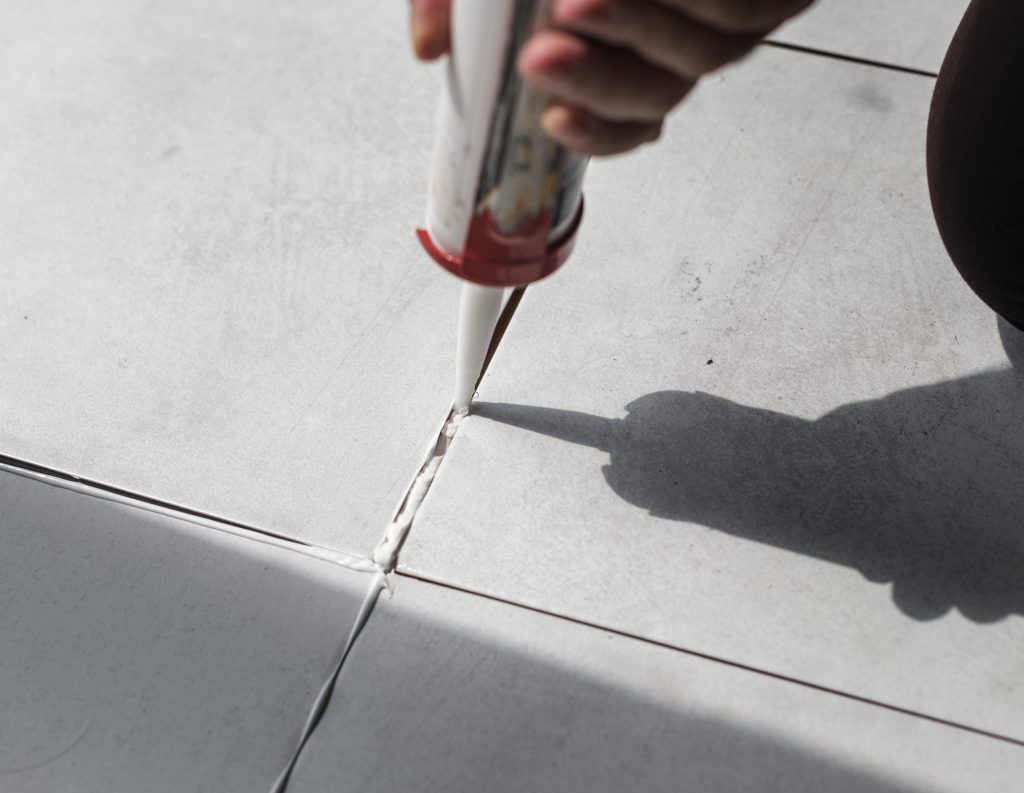
Introduction
Concrete structures move. Temperature swings, moisture absorption, and structural loads all create expansion and contraction. In South Africa’s harsh climate—with temperature variations ranging from coastal regions to inland plateaus—this movement is constant and relentless.
When concrete moves but the joint sealant doesn’t, failure follows. Cracks widen, water infiltrates, and structural integrity compromises. Yet specifying the right sealant for the right joint type remains confusing for many asset managers and contractors across Sub-Saharan Africa.
Three main sealant technologies dominate the market: polyurethane, hybrid formulations, and silicone. Each accommodates movement differently. Understanding these differences—and matching them to your infrastructure’s actual movement profile—is the key to choosing between a ten-year sealant life and a two-year repair cycle.
Expansion Joints vs Control Joints: Understanding Concrete Movement
Concrete doesn’t expand uniformly. Engineers design two types of joints to manage the different stresses that occur.
Expansion joints accommodate thermal expansion—the deliberate growth of concrete as temperatures rise. In South Africa, a concrete slab can expand by up to 25mm per 30 meters of length during summer heat. These joints are designed to absorb this movement without restraint. You’ll typically find them wider (12–25mm) and positioned at regular intervals (every 30–40 meters in large paved areas like ports, airports, and logistics yards).
Control joints manage cracking by creating predetermined failure points. When concrete shrinks during curing or due to moisture loss, it cracks. By introducing a weak line (the control joint), engineers direct where that crack will form—rather than random surface cracking across the structure. Control joints are narrower (6–12mm) and more closely spaced (every 1.5–3 meters).
Both joint types move. Both need sealants that accommodate that movement without tearing, shrinking, or debonding from the concrete edges.
How Polyurethane Sealants Handle Movement
Polyurethane sealants have dominated the South African concrete market for decades. Contractors know them well, they’re widely available, and they carry a relatively affordable price tag.
Movement accommodation: Polyurethanes typically accommodate 25–50% joint width movement. A 10mm joint can move ±2.5–5mm before the sealant fails. This level of performance is adequate for many applications.
Why they fail in high-movement environments: In demanding applications—harbours with tidal influences, busy logistics yards with heavy thermal cycling, and runway aprons—movement often exceeds these limits. Polyurethane sealants can slump under their own weight in vertical joints, creating voids and allowing water penetration. The poor bond to wet surfaces is another critical issue, especially in South Africa’s humid coastal zones.
Lifespan: Polyurethane sealants last 5–8 years in moderate conditions and 2–4 years in harsh environments.
Hybrid Sealants: The Balanced Approach
Hybrid sealants (typically polyurethane-silicone blends) emerged as a middle ground. They combine polyurethane’s gap-filling capability with silicone’s durability and movement tolerance.
Movement accommodation: Hybrids typically handle 25–100% joint width movement—substantially better than straight polyurethane. A 10mm joint can move ±2.5–10mm without failing.
Why they’re popular: Hybrids bond better to damp surfaces than polyurethane alone, making them practical for South Africa’s rainy regions. These formulations also maintain flexibility longer, resisting hardening in UV-exposed joints. For general-purpose applications—loading docks, warehouse floors, and distribution centres—hybrids offer solid performance without premium pricing.
The limitation: While superior to polyurethane, hybrids still can’t match silicone’s movement accommodation. They also don’t self-level, which means in vertical applications or extreme thermal environments, they require skilled application and careful detailing.
Lifespan: Hybrid sealants last 8–12 years in moderate conditions and 5–8 years in high-movement environments.
Silicone Sealants: Premium Movement Accommodation
Silicone sealants, particularly self-levelling formulations like CSL 316, represent the highest tier of movement accommodation and durability.
Movement accommodation: Silicone handles 50–100%+ joint width movement. A 10mm joint can move ±5–10mm or more without failure. This capability is critical in applications where expansion and contraction are extreme—airport runways, seismic-prone regions, or structures subject to heavy dynamic loading.
Why silicone excels: Self-levelling silicone flows to fill the joint completely, eliminating voids and ensuring consistent contact with joint walls. This matters in horizontal applications (concrete floors and aprons) where traditional sealants can shrink, creating air pockets that trap moisture and accelerate concrete deterioration.
Silicone maintains elasticity across a wider temperature range than polyurethane or hybrids. In South Africa’s climate extremes—from near-freezing inland winters to 45°C+ coastal summers—silicone’s performance remains consistent year-round. The material also resists UV degradation and performs reliably in wet environments, which means coastal infrastructure, tidal zones, and rainy regions see silicone outlast alternatives by years.
Silicone bonds chemically to concrete surfaces, even damp ones, providing superior long-term adhesion compared to hybrids or polyurethane. This chemical bond is what prevents debonding and keeps the joint sealed over decades.
The trade-off: Silicone costs more upfront—typically 2–3x the price of polyurethane. However, lifecycle cost analysis often favours silicone, particularly for critical infrastructure where sealant failure triggers costly secondary repairs and operational downtime.
Lifespan: Silicone sealants last 15–20+ years in most environments and 10–15 years even in extreme coastal or thermal cycling conditions.
Which Sealant for Which Application?
Expansion joints in logistics yards, warehouses, and distribution centres: Hybrid sealants provide solid value here. Movement is predictable, thermal cycling is moderate, and the cost-benefit analysis works out. However, high-traffic areas with heavy vehicle loads should consider silicone for the movement accommodation margin.
Control joints in parking structures and multi-storey buildings: Polyurethane remains adequate for interior, climate-controlled environments. In exposed structures, hybrids are safer. Silicone is overkill unless the structure experiences dynamic movement from wind or seismic activity.
Harbour, port, and airport infrastructure: Silicone is the standard here. Expansion joints in tidal zones, runway aprons, and container handling areas experience movement far exceeding polyurethane or hybrid tolerances. The marine environment also demands silicone’s UV and moisture resistance to prevent premature failure.
Concrete surfaces in high-traffic heavy-vehicle environments (logistics yards, ports, loading docks): Self-levelling silicone is essential. The self-levelling property eliminates voids in horizontal joints; the movement accommodation handles thermal cycling and heavy loading stresses; and the durability minimizes repeat maintenance cycles that disrupt operations.
The Hidden Cost of Sealant Failure
Specifying a cheaper sealant and accepting a shorter lifespan creates cascading costs over time. Labour costs accumulate with each resealing cycle—removal, surface preparation, and reapplication all require facility downtime. Secondary damage follows water infiltration, leading to concrete deterioration, rust stains, and structural compromise.
Operational disruption is another cost factor. Sealant replacement work halts facility operations, affecting productivity. Additionally, accelerated concrete degradation occurs when moisture and freeze-thaw cycles damage concrete faster than sealed concrete would experience.
A 10mm concrete joint in a busy port might be resealed every 3–4 years with polyurethane, requiring facility shutdown and labour. Over 20 years, that’s 5–6 resealing cycles. Silicone, lasting 15–20 years, requires one cycle—saving significant operational costs and preventing water-related concrete damage. For South African infrastructure operators managing budgets across multiple sites, lifecycle cost analysis often reveals that premium sealants deliver better ROI despite higher upfront spend.
FAQ
Q: What’s the difference between self-levelling and non-self-levelling silicone sealants?
A: Self-levelling silicone flows to fill the joint uniformly, eliminating voids. Non-self-levelling requires manual tooling after application. For horizontal joints (concrete floors and aprons), self-levelling is superior because it guarantees void-free fill. For vertical joints, non-self-levelling is often easier to control during application.
Q: Can I use polyurethane sealant in a tidal zone (harbour)?
A: Not reliably. Polyurethane bonds poorly to damp surfaces and degrades quickly under constant moisture and UV exposure. Silicone is the correct choice for tidal environments because it tolerates wet conditions.
Q: How do I know if my joint is an expansion or control joint?
A: Expansion joints are wider (typically 12–25mm), positioned at regular intervals (30–40m apart), and extend fully through the concrete slab. Control joints are narrower (6–12mm), more closely spaced (1.5–3m apart), and are often saw-cut into the concrete surface after curing. Your structural drawings will specify the joint type and width.
Q: Is silicone sealant worth the extra cost for indoor warehouse floors?
A: For climate-controlled warehouses with moderate thermal swings, hybrid sealants are often adequate. However, if the warehouse experiences temperature extremes (unheated in winter, full sun exposure in summer) or houses sensitive equipment where water infiltration is critical, silicone’s superior movement accommodation and durability justify the upfront cost.
Q: How long does a concrete joint sealant typically last?
A: Polyurethane lasts 5–8 years (2–4 years in harsh environments). Hybrid sealants last 8–12 years (5–8 years in harsh environments). Silicone lasts 15–20+ years (10–15 years even in extreme conditions). Lifespan depends on joint movement, climate exposure, traffic loads, and maintenance practices.
Q: What’s the best sealant for a joint that sees seasonal flooding or constant moisture?
A: Silicone is the only sealant type that reliably bonds to and performs in permanently wet or frequently wet environments. Polyurethane and hybrids fail rapidly under constant moisture exposure.
Conclusion
Specifying the right concrete joint sealant requires understanding the joint’s movement profile, the environment’s thermal and moisture stresses, and the total cost of ownership—not just upfront price. For most South African applications, the choice comes down to budget-conscious, moderate-movement applications (hybrid sealants) versus high-movement, coastal, or critical infrastructure (silicone sealants).
Learn more about CSL Silicones products
Author: Written by Technical Solutions Supplies, Sub-Saharan Africa’s exclusive distributor of CSL Silicones coatings and sealants.