Exclusive CSL Silicones distributor, Southern Africa
Industrial Coatings for South Africa’s Harsh Sites
TSS supplies silicone industrial coatings South Africa wide, made by CSL Silicones, for mines, utilities, infrastructure and plants. Each product solves a problem that conventional coatings struggle with in our climate.
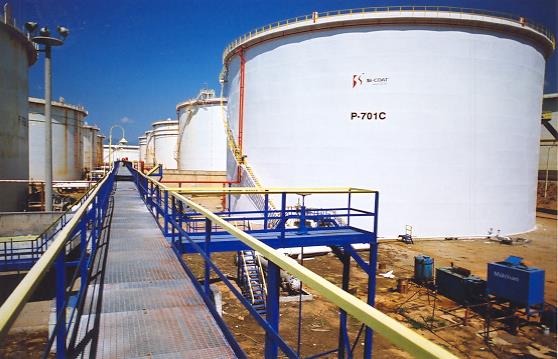
Industrial coatings South Africa: the product range
These industrial coatings cover five jobs that conventional products in South Africa handle poorly. Each product page has the full data sheet.
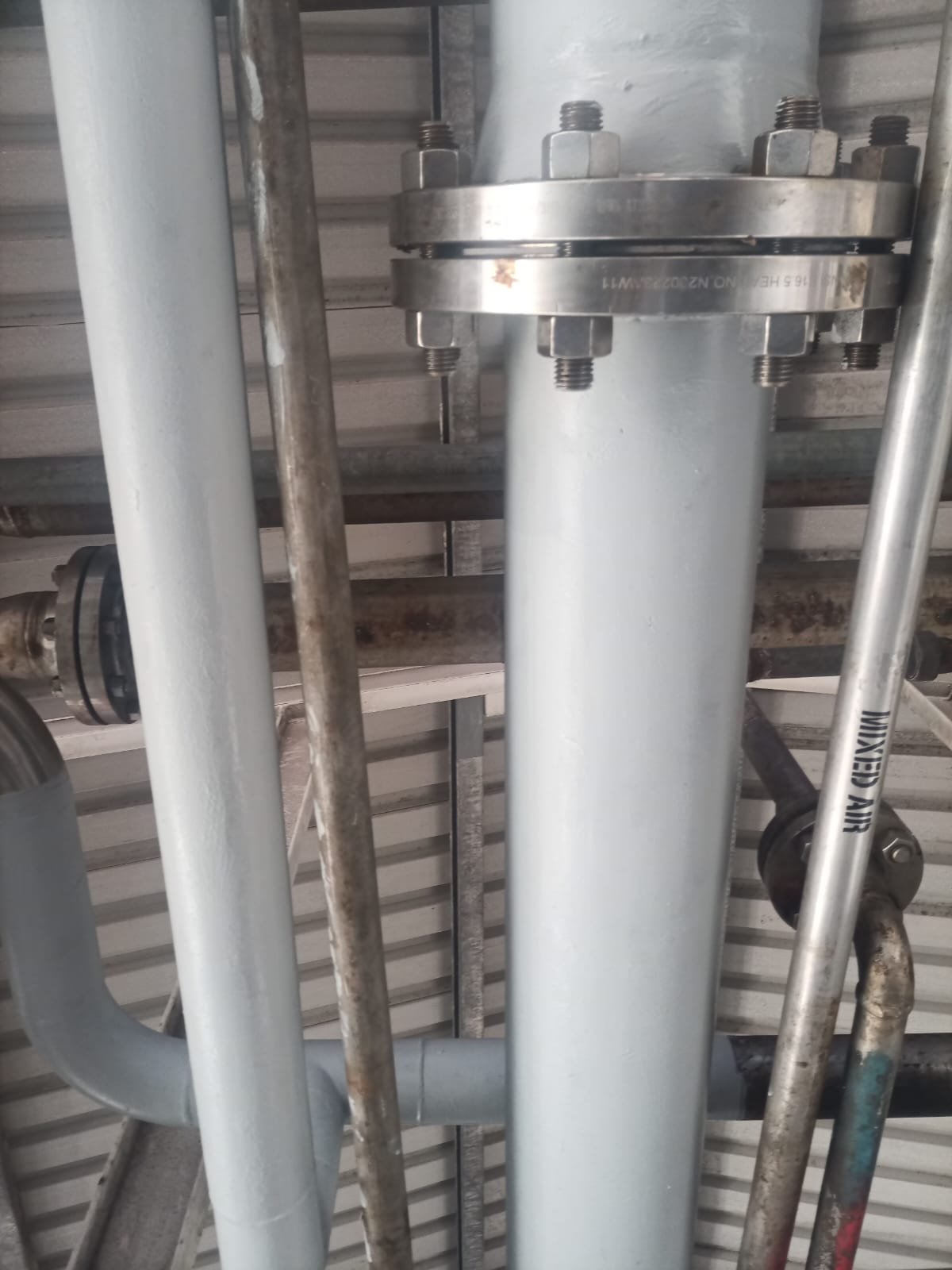
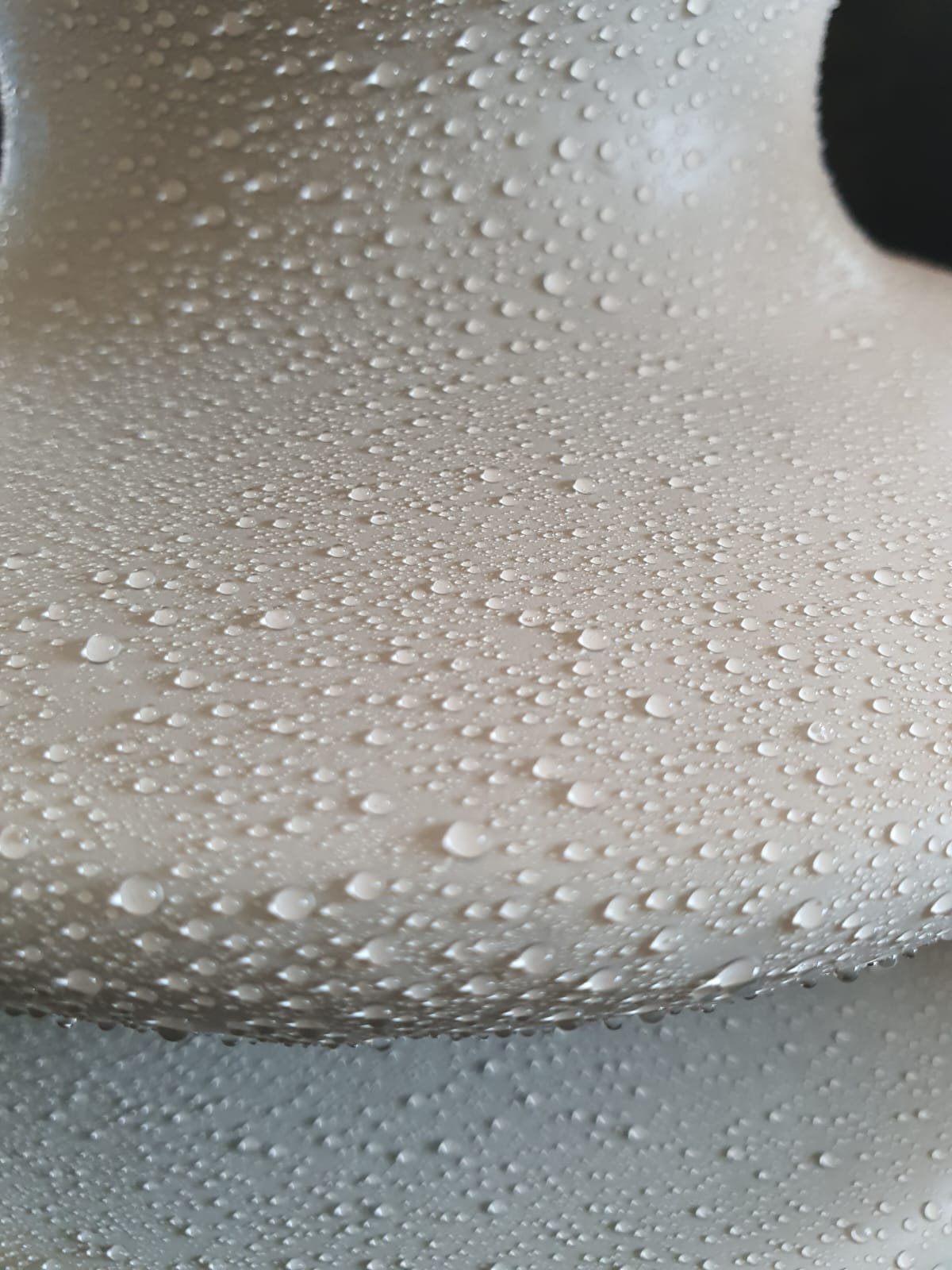

Industrial coatings South Africa: product brochures
Download the full range in one booklet, the four page overview, or the brochure for a single product. Each one has the test results, the technical data and how to apply it.
Full product brochure
All five products, the proof behind them and the technical data, in 16 pages.
Last reviewed: November 2026
Industrial coatings South Africa: why coatings fail here
Southern Africa is hard on coatings. Strong UV breaks down many organic resins faster than temperate test data suggests. In addition, wide daily temperature swings on the Highveld keep rigid films under constant stress.
Also, along the KwaZulu-Natal and Western Cape coasts, salt in the air speeds up corrosion. Meanwhile, mining and heavy industry leave aggressive deposits on exposed steel. Most conventional systems can cope, but only with good surface preparation and regular recoating.
Surface preparation: St2, St3 and Sa2.5
A common question in coating specification is what to use when blasting to Sa2.5 is not possible. ISO 8501-1 sets the visual standards for steel preparation. Blast cleaning grades run from Sa1, light blast cleaning, to Sa3, visually clean steel. Hand and power tool grades, on the other hand, are St2 and St3.
| Grade | Method | Closest SSPC grade |
|---|---|---|
| St2 | Thorough hand and power tool cleaning, faint metallic sheen | SP2, hand tool |
| St3 | Very thorough hand and power tool cleaning, clearer sheen | SP3, power tool |
| Sa2.5 | Very thorough blast cleaning, only light traces left | SP10, near white blast |
Most high performance epoxy and polyurethane industrial coatings in South Africa specify Sa2.5. On working structures, however, blasting is often impractical. After all, it needs containment, creates dust and spent grit, and adds access cost on high or congested steel. As a result, owners often put off maintenance until the damage is far worse.
Surface tolerant silicone: Si-COAT 579 CM
Si-COAT 579 CM is a single component, moisture cure RTV silicone corrosion maintenance coating made by CSL Silicones. It goes onto steel prepared to SSPC SP2 or SP3 (similar to St2 and St3), or water jetted to SSPC SP12 WJ-4. So standard maintenance crews with wire brushes, grinders and needle guns can prepare the steel themselves. However, solvent cleaning alone (SSPC SP1) is not enough.
First, stripe coat edges, welds and bolts at about 0.13 mm (130 microns, 5 mil). Then apply one full coat at 0.2 to 0.5 mm dry (200 to 500 microns, 8 to 20 mil). Because the film stays flexible, it moves with the steel instead of cracking. It also handles airborne chemicals well, including acid vapour and occasional splash in acid plants. Severe splash or pooling, however, needs CSL sign off, and 579 is for above ground use only.
On performance, for example, 579 beat 28 other coatings in the three year Florida Fence Test, passing at 36 months with a scribe. Similarly, for service life, it went onto process piping at the De Bary power plant in Florida in 2003. Then, about 20 years later, CSL inspected it and found the film thickness unchanged.
Meanwhile, for the harshest coastal and industrial sites, specify 579 over CSL 979 primer. That system passed ISO 12944-6 at C5 High. Even so, the rating belongs to the system with the primer, not to 579 on its own.
Industrial coatings South Africa: silicone vs conventional
| Epoxy system | Polyurethane topcoat | Silicone (579 CM) | |
|---|---|---|---|
| Typical surface prep | Sa2.5 | Sa2.5 under the primer | SSPC SP2 or SP3, no blasting |
| UV exposure | Chalks, needs a topcoat | Good, loses gloss over time | UV stable |
| Flexibility | Rigid | Moderate | Stays flexible |
| Typical build on steel | Two or three coats | Topcoat over an epoxy system | Stripe coat plus one full coat |
Epoxies give excellent adhesion and chemical resistance, and surface tolerant grades do exist. Outdoors, however, they chalk in UV and need a topcoat. Polyurethane topcoats handle UV better, yet they still sit on a multi coat system that usually needs blasting. Silicone, by contrast, takes a different route. Its silicon oxygen backbone resists UV, and the elastic film stays flexible through thermal movement.
Proof from real sites
These jobs show our industrial coatings working on real sites in South Africa and abroad, often while the plant kept running. See all our case studies.
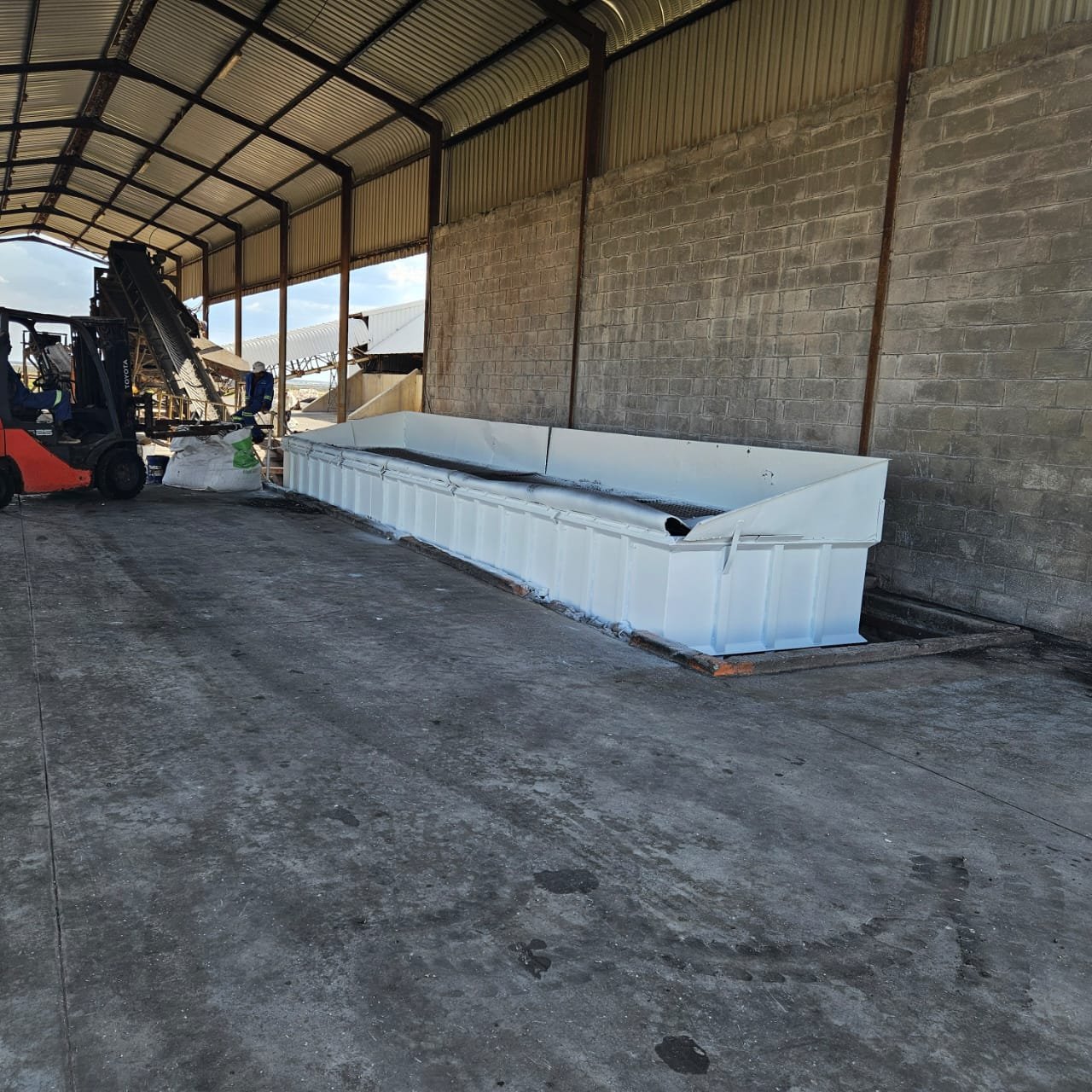
Fertiliser plant Fertiliser plant, Hoopstad Coated in January 2025 while the plant kept running, and still in good condition today.
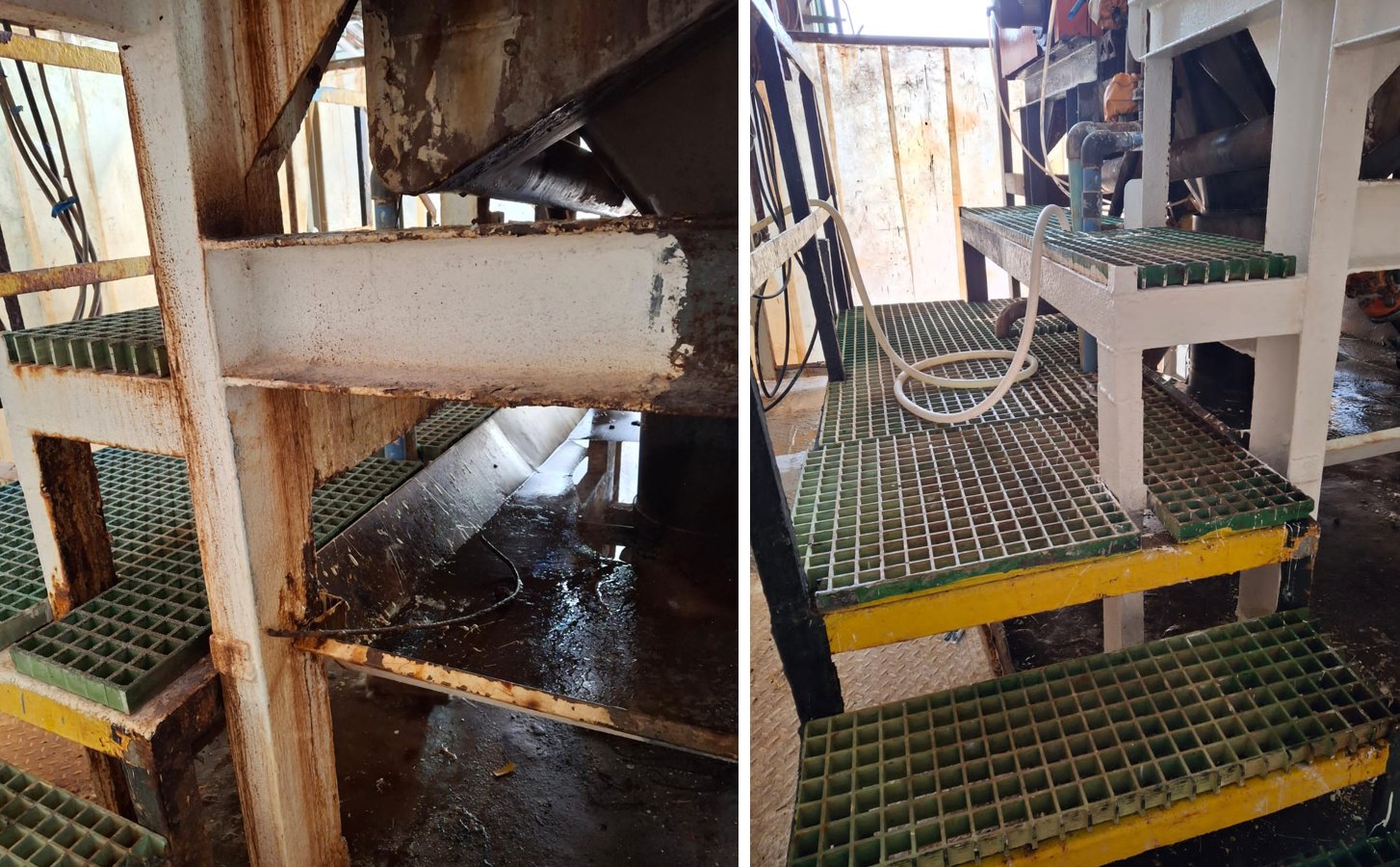
Chemical plant Chlorine plant, Johannesburg One coat with no primer or hot work, and still clean a year later.
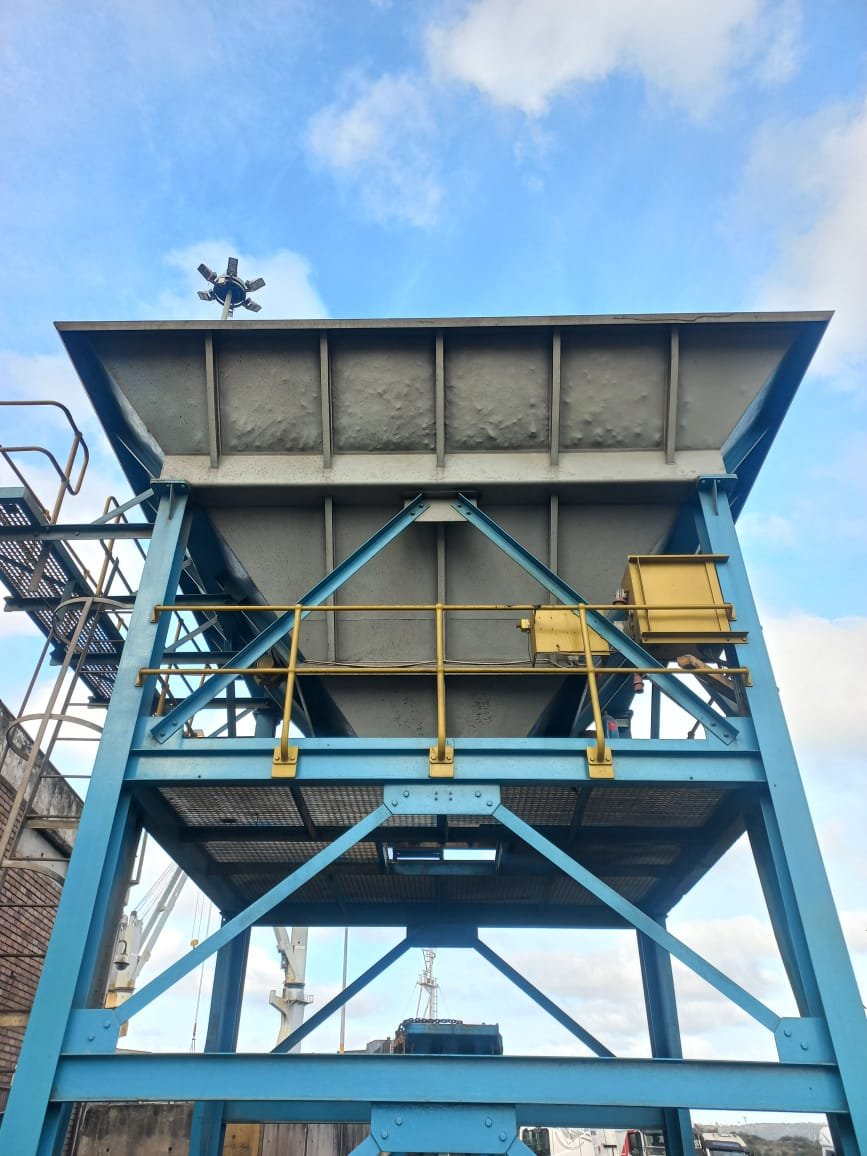
Harbour Hopper, Durban harbour Replaced cracked epoxy in 2024, and still in good condition today.
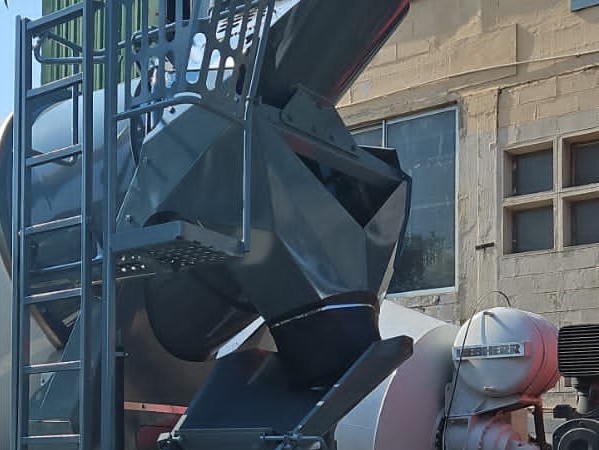
Fleet Concrete mixer trucks, Durban No concrete stuck to the coated hopper end after twelve weeks.
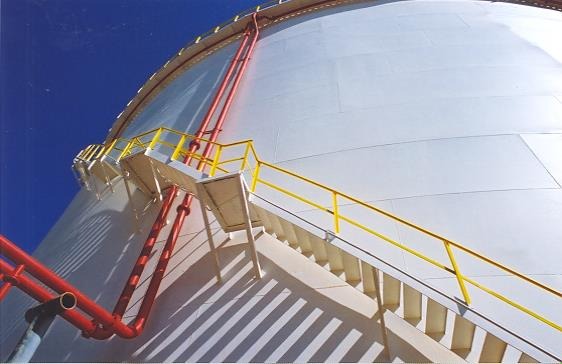
Oil tank Crude oil tank, Hellenic Petroleum 6,000 m² recoated without blasting, so a crew of six finished in 12 days.
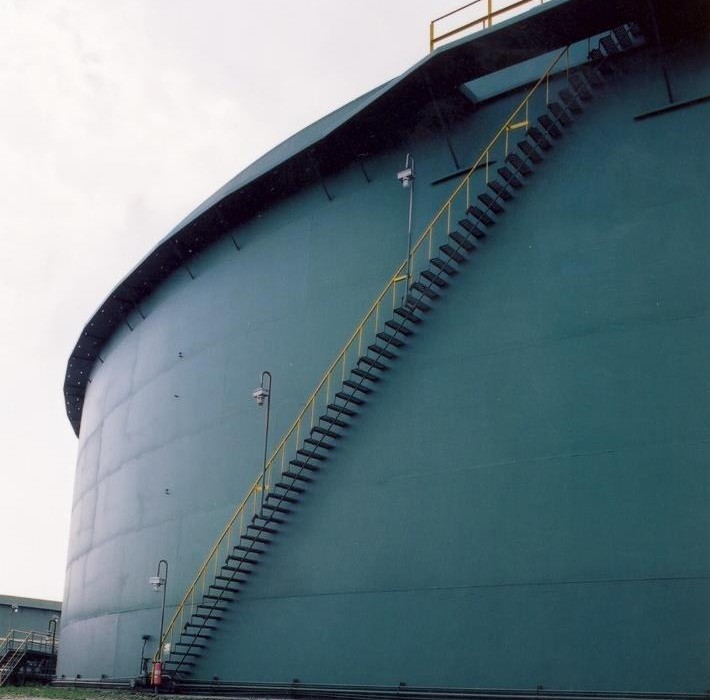
Fuel tank Fuel oil tank, Florida Power & Light An 85 m tank in one coat over prepared rust, at about half the cost of a conventional system.
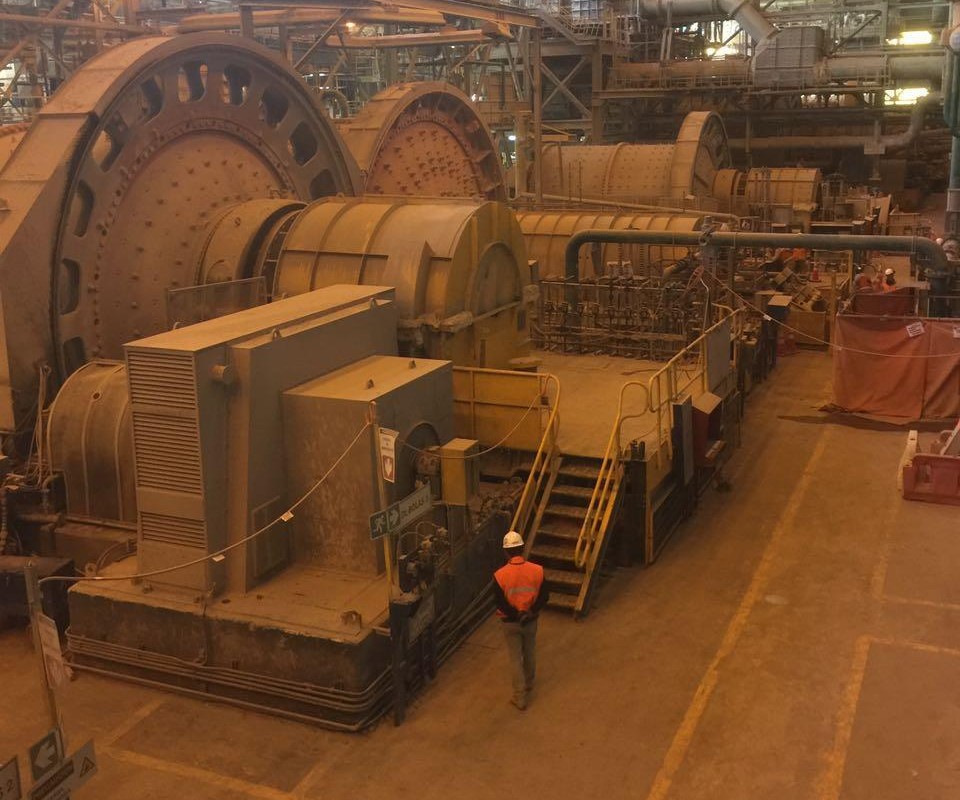
Copper mine Copper mine, BHP Escondida Worn OEM epoxy replaced in 2016, about 3,100 m up in the Atacama Desert.
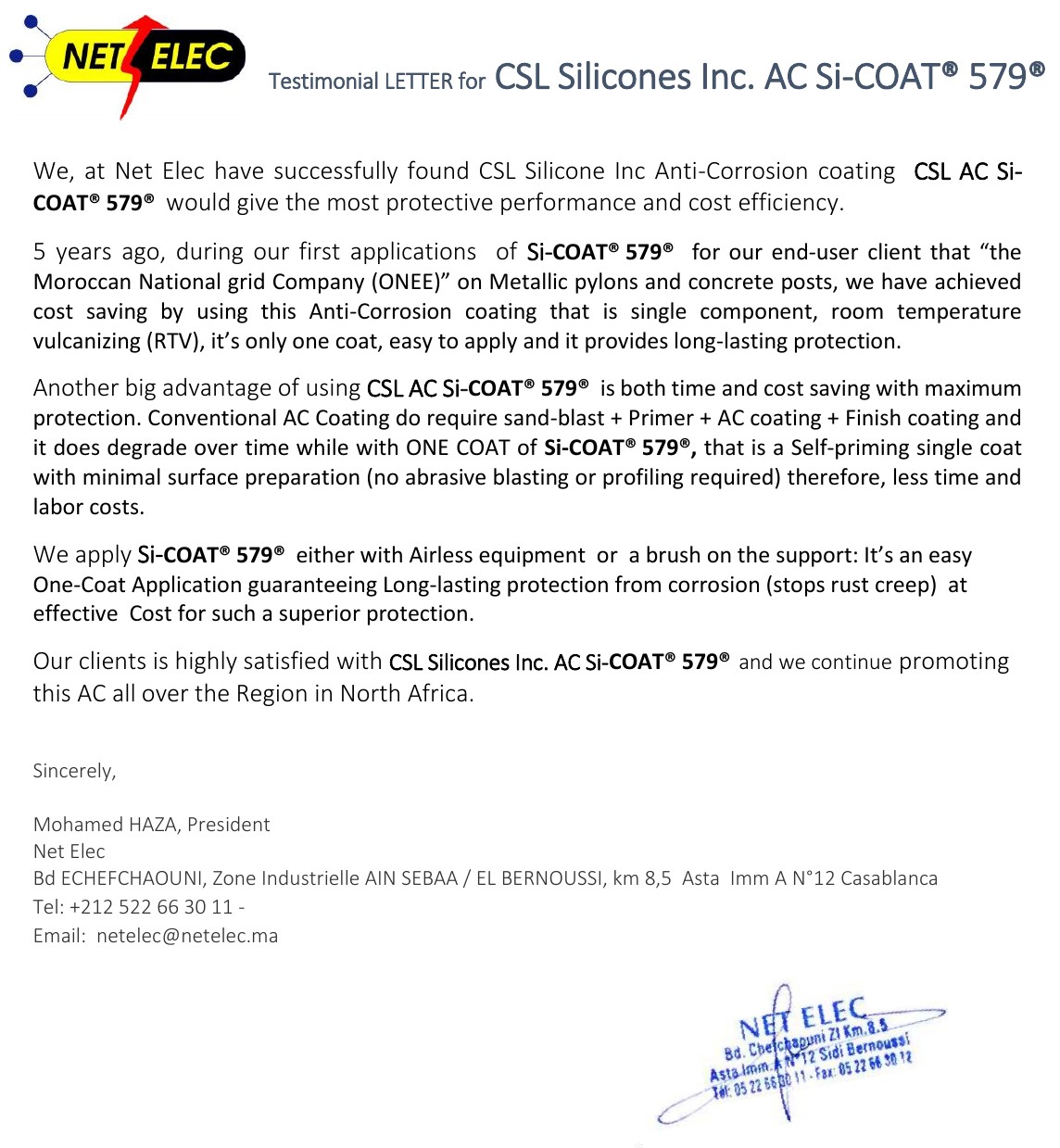
Power lines Pylons and concrete posts, Morocco’s national grid One coat with no blasting, in service since about 2017.
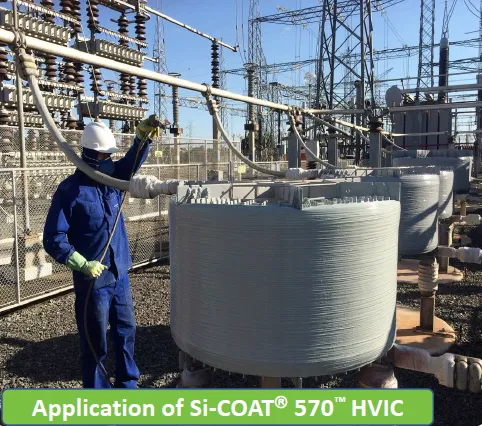
High voltage Air core reactors, 500 kV substation Cracked reactors, first repaired and then recoated with Si-COAT 570 HS.
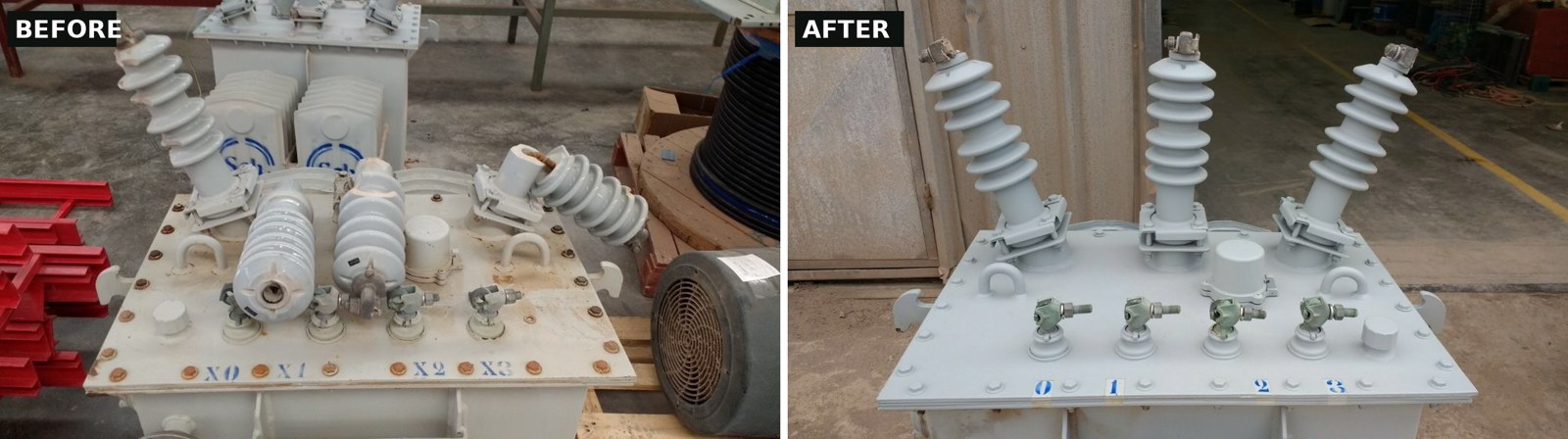
High voltage Transformers, Algorta Norte iodine mine Four years with no flashovers, and insulator cleaning cut from monthly to once in four years.
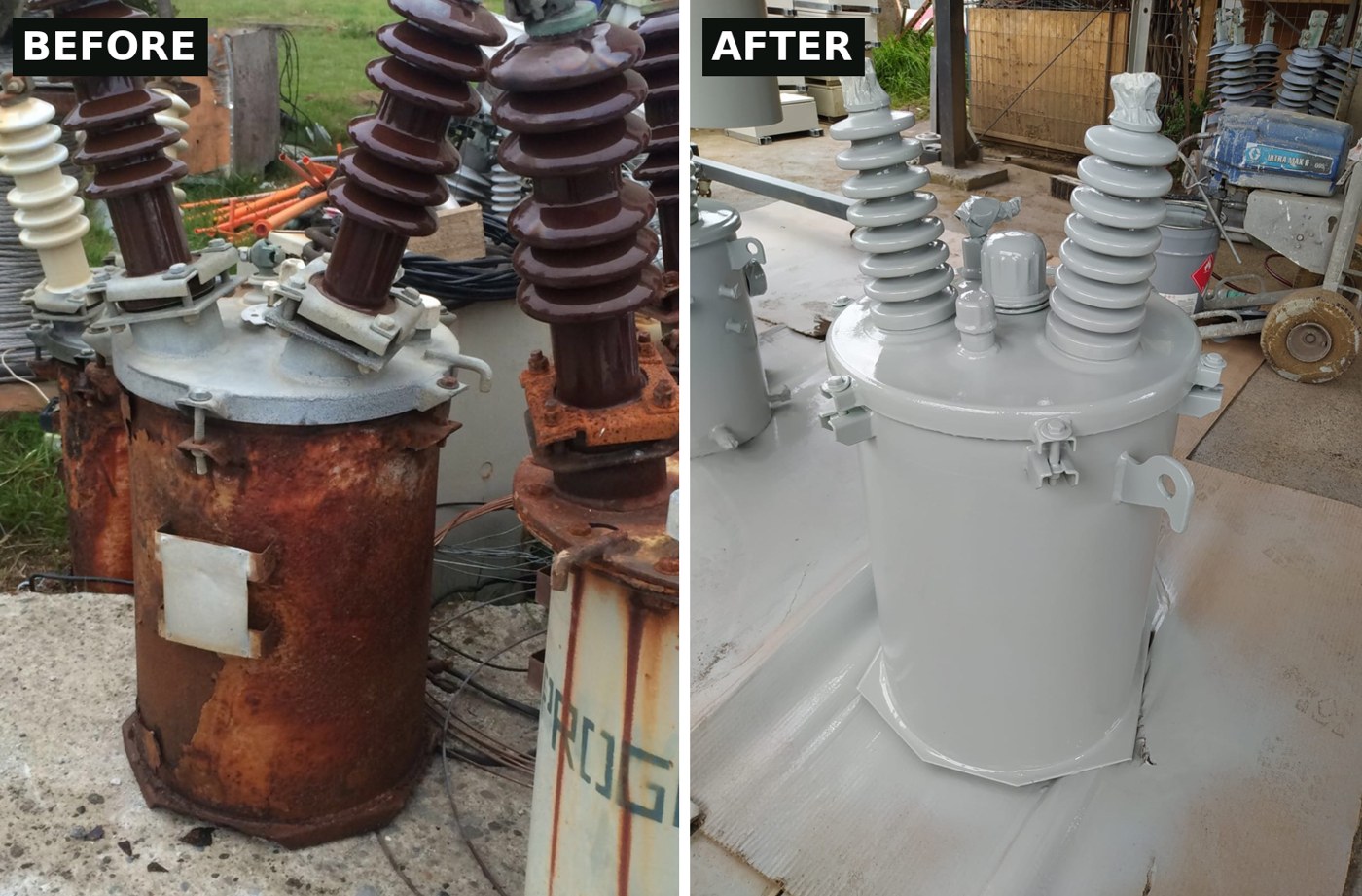
Distribution Pole transformers, Saesa, southern Chile Tanks used to rust in six months. Once coated, none failed in three to four years.
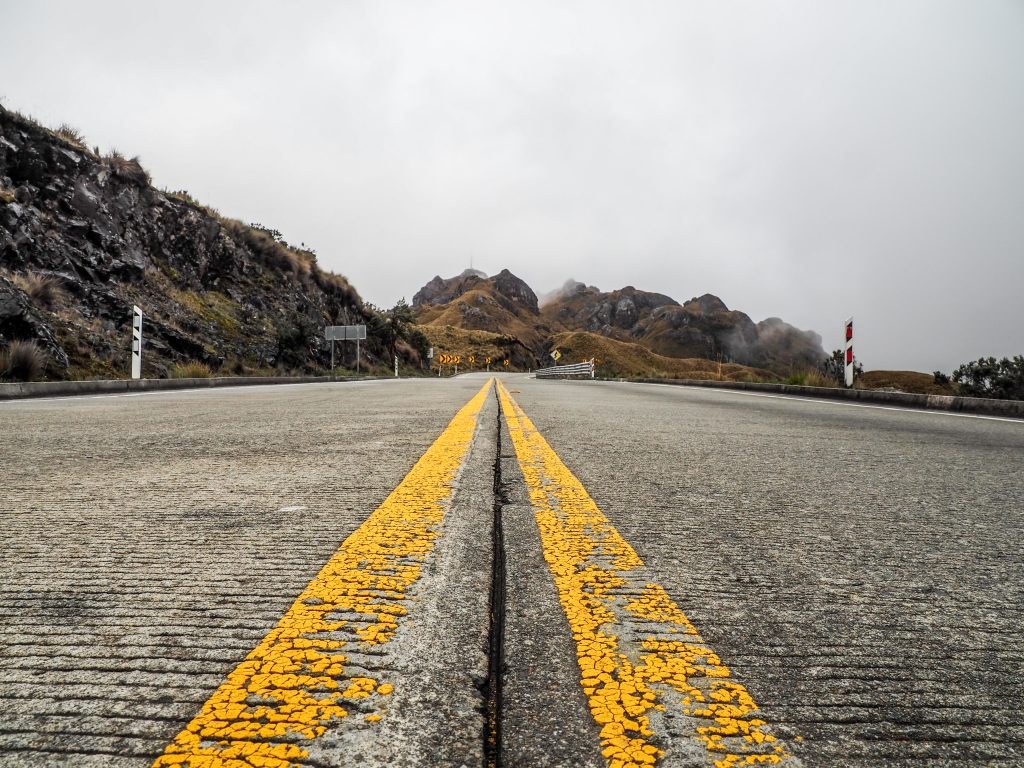
Roads Highway joints, Texas 124,800 cartridges of CSL 316 SL for TxDOT highways in 2021.
The products in more detail
Si-COAT 579 CM: corrosion maintenance
Use it on structural steel, tank exteriors, bridges, pipework and mining equipment where blasting is not practical. For detail, see the 579 FAQ and our article on anti corrosion coating for structural steel.
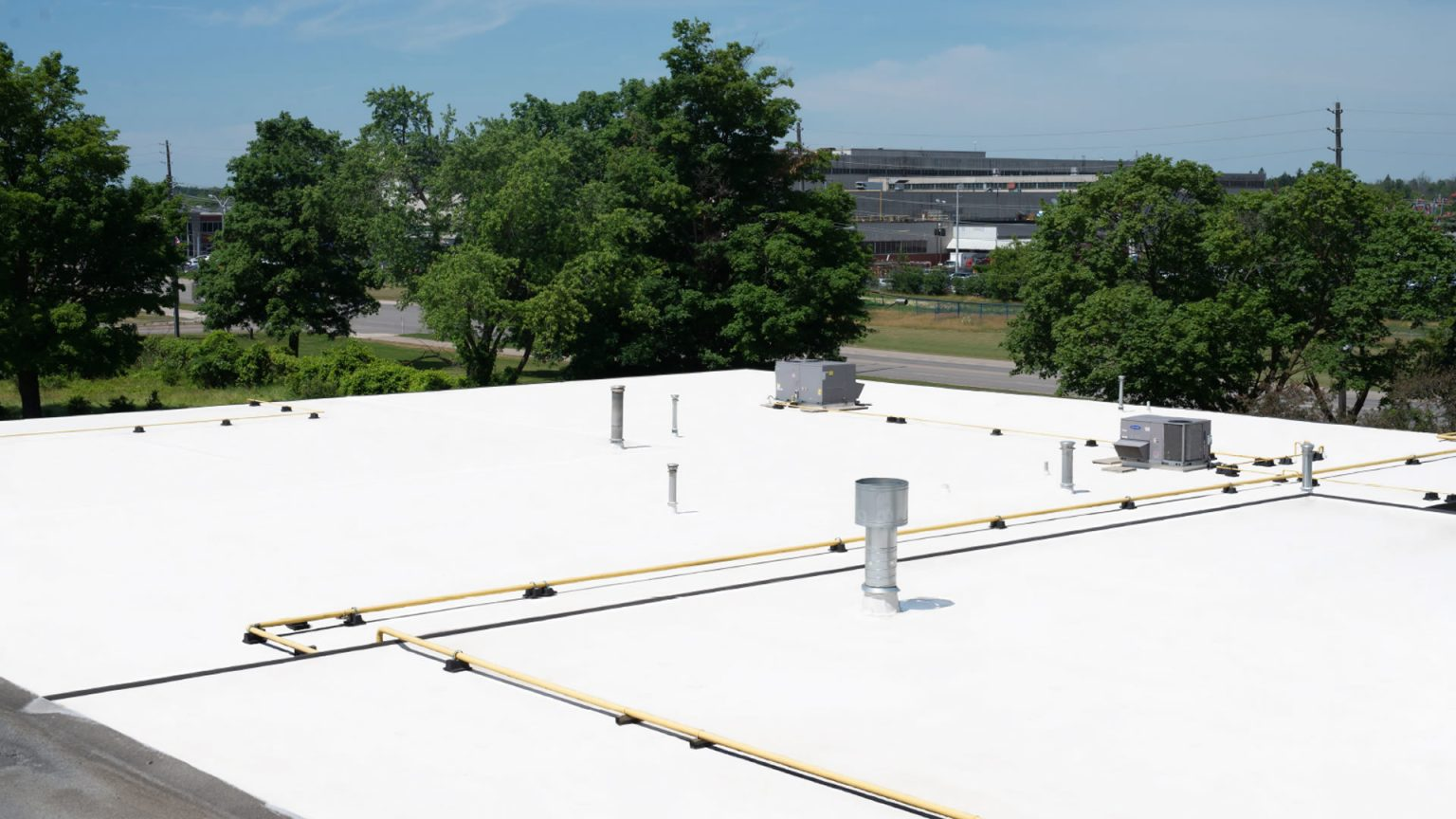
Si-COAT 461 RC: silicone roof coating
This high solids silicone suits flat industrial and commercial roofs. It withstands ponding water, reflects heat and goes on in a single coat. In fact, CSL reports 461 roofs in service in North America for more than 20 years. See roof coatings and our guide to the best waterproofing for roofs.
Si-COAT 570 HS: high voltage insulator coating
Si-COAT 570 HS prevents pollution flashover on insulators, bushings, switchgear and substation equipment. Because its water repellent film stops conductive moisture films forming on dirty insulators, it keeps them clear of flashover. Its service life also exceeds 15 years. In addition, it passed both IEC TR 62730 tests at independent accredited high voltage laboratories, and the full reports are available on request. For example, in Chile, Algorta Norte and Saesa cut insulator cleaning from monthly to once every three to four years. See high voltage insulator coatings.
CSL 316 SL: self levelling joint sealant
This self levelling silicone suits road, bridge, airport and harbour joints. It meets ASTM D5893 Type SL, with a movement capability of +100% / -50%. In addition, it meets the COTO specification used on SANRAL projects. SANRAL does not approve products, but it can disallow any that fall outside that spec. The sealant also carries a 10 year warranty. See joint sealants.
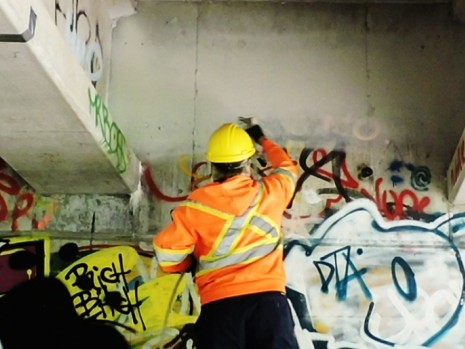
Si-COAT 532 AG Clear: anti graffiti coating
This permanent, low VOC clear coating lets graffiti wash off with cold water, and it stays on for the next clean. Because it is clear, it goes over any colour. We also supply the pigmented Si-COAT 528 AG. See anti graffiti coating and our anti-graffiti case studies.
Industries we serve
Our industrial coatings serve sites across South Africa and the wider region. In mining, copper processing brings acid vapour, coastal mines bring salt and the Copperbelt brings abrasive dust. Si-COAT 579 CM suits working plant because it needs no blasting, as our article on corrosion protection for copper mining explains.
Next, power utilities fight pollution flashover on their networks, which Si-COAT 570 HS addresses. Their steel towers also corrode, as our article on transmission tower corrosion shows.
For roads, bridges, airports and harbours, CSL 316 SL handles joint movement, while 579 protects the steel on bridges. Warehouses, factories and shopping centres, meanwhile, need roofs that cope with ponding water and UV, which is where Si-COAT 461 RC comes in. Finally, tank farms and process plants use 579 on above ground steel.
Cost over the life of the asset
Silicone usually costs more per litre than conventional paint. However, for industrial coatings in South Africa, the bigger costs on most maintenance jobs are preparation, access, labour and downtime. A single coat over hand or power tool cleaned steel cuts most of those. For example, on a fuel oil storage tank for Florida Power & Light, the 579 project came in at about half the cost of a conventional coating system. In addition, a longer life means fewer recoats over the life of the asset.
Industrial coatings South Africa FAQ
What is a surface tolerant coating?
It is a coating that performs on steel without a Sa2.5 blast. For example, Si-COAT 579 CM goes onto steel cleaned to SSPC SP2 or SP3. Our surface preparation guide explains the prep, and the Hellenic Petroleum tank shows it on a 6,000 m² job.
Can you coat steel without sandblasting?
Yes. With Si-COAT 579 CM, hand or power tool cleaning to SSPC SP2 or SP3 is enough. However, solvent cleaning alone is not, and loose rust and flaking paint must come off first.
What is the difference between St2, St3 and Sa2.5?
St2 and St3 are hand and power tool grades under ISO 8501-1, with St3 the more thorough. Sa2.5, by contrast, is very thorough abrasive blast cleaning. Most conventional high performance systems need Sa2.5.
How long does a silicone corrosion coating last?
On the De Bary piping in Florida, 579 showed no loss of film thickness after about 20 years. Still, actual life on your site depends on exposure, preparation and film build.
What is the best coating for coastal plants?
For structural steel, use Si-COAT 579 CM, or the 579 over CSL 979 system on the harshest sites. For flat roofs, use Si-COAT 461 RC. Our article on corrosion protection in Namibia covers similar coastal conditions.
How do I choose the right system?
It depends on the substrate, the environment, the preparation you can achieve and the life you need. So send us the problem, and we will help specify a system for your project.
Technical Solution Supplies distributes CSL Silicones products across Southern Africa, including the DRC and the Seychelles. Phone 031 002 7376 or email sales@tssupplies.co.za for data sheets, samples, applicator training and site support.
Send us the problem
Photos and a rough size are enough to start, while drawings and specs can follow later. Then we come back with the right product and a quote.